Casting Painting Services
As a China-based die casting manufacturer, IEC Mould provides casting liquid painting services for aluminum and zinc die cast components. By coordinating die casting quality with controlled spray painting processes, we deliver consistent appearance, flexible color options, and reliable coating results for visible parts.
Our liquid painting solutions focus on color accuracy, surface uniformity, and design flexibility, making them suitable for cosmetic and design-driven applications.
- Ideal for visible components
- Wide color and finish options
- Easy masking for functional areas
- Suitable for aluminum and zinc die cast parts
What Is Die Casting Painting?
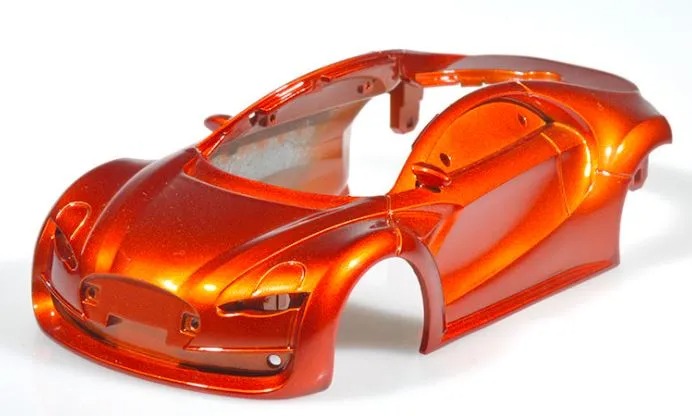
Die casting painting is a surface finishing process in which liquid coatings are applied to aluminum or zinc die cast parts to improve appearance, provide basic surface protection, and meet color or design requirements. The coating is typically applied by spray painting after proper surface preparation, ensuring uniform coverage on visible areas of the casting.
As a professional die casting manufacturer, we have extensive experience in coordinating casting quality with painting processes. We know that surface porosity, release agents, and casting texture can all affect the final finish, so careful preparation and controlled application are essential.
Unlike powder coating or e-coating, die casting painting offers greater flexibility in color selection, finish types, and localized masking, making it ideal for cosmetic parts, housings, and enclosures where visual quality and design consistency are critical across production batches.
Why Liquid Painting Is Widely Used for Die Cast Parts
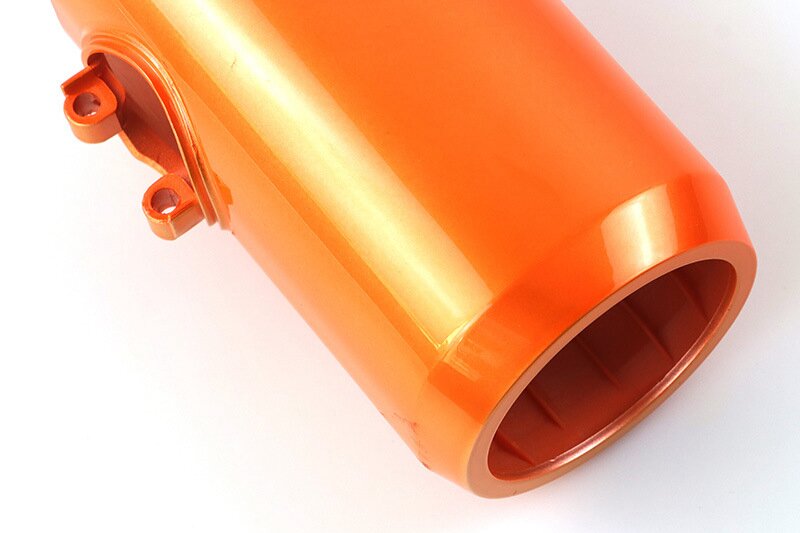
Liquid painting is one of the most commonly selected finishes for die casting due to its flexible color options, decorative finishes, and visual consistency, while remaining cost-efficient and suitable for design-driven components.
Key Advantages
- Strong adhesion to aluminum and zinc die cast substrates
- Precise color matching and decorative finish options
- Smooth or textured finishes for cosmetic components
- Localized masking for functional or assembly areas
Suitable for visible parts where appearance matters
Engineering Reality
Liquid painting is not merely a cosmetic step. Its success relies on surface preparation and controlled spray application. Die casting porosity, residual release agents, and uneven textures can lead to defects such as peeling, blistering, or uneven gloss.
Our Integrated Approach
As a professional die casting manufacturer, we coordinate die casting and liquid painting under one system, optimizing surface preparation, spray parameters, and curing conditions to ensure consistent appearance, reliable adhesion, and color accuracy across production batches.
Liquid Painting for Die Casting Parts Manufacturing Advantage
Most liquid painting challenges don’t start at the spray line—they begin much earlier, during die casting. When casting and painting are handled by separate suppliers, surface defects, porosity, contamination, and inconsistent handling often go unnoticed until coating issues appear. By integrating die casting and liquid painting under one system, we eliminate this disconnect entirely.
- Die casting parameters are controlled to minimize surface porosity before painting
- Parts move directly into surface preparation without external transport or damage
- Casting and painting teams share real-time process feedback
- Each batch follows the same controlled workflow from molten metal to final finish
The result is not just a visually appealing part, but a reliable, functional liquid coating that performs consistently in real production—not just a cosmetic layer that hides underlying issues.
Liquid Painting for Suitable Casting Materials
The success of liquid painting depends not only on the coating itself, but also on the casting material and surface quality. Aluminum and zinc die castings provide the best foundation for liquid painting when combined with careful surface preparation and controlled spray processes.
Aluminum Die Casting
Common alloys: ADC12, A380, AlSi series
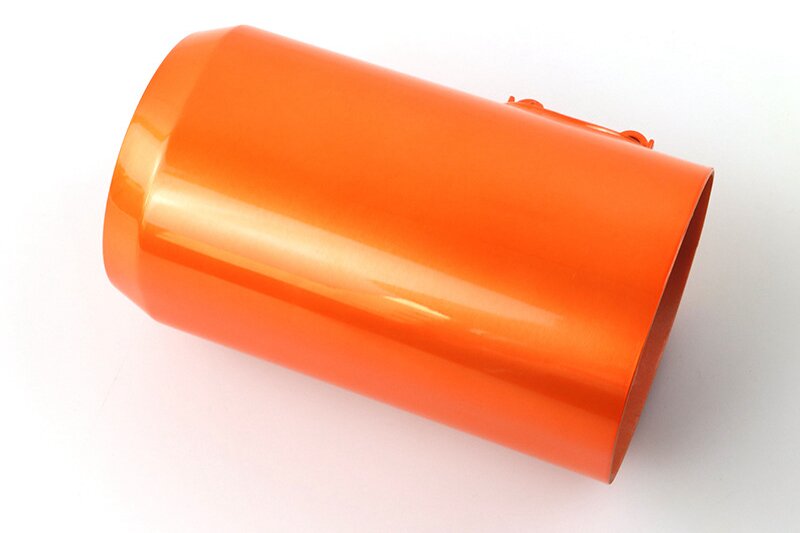
Aluminum die castings are ideal for decorative finishes, multi-color painting, and precision color matching. Their smooth surface and thermal stability allow liquid coatings to achieve consistent gloss, vibrant colors, and fine textures.
Why aluminum works well for liquid painting:
- Excellent surface for smooth or textured decorative finishes
- Supports rapid color changes for design-driven applications
- Consistent cosmetic quality across small or medium batches
Our engineering control:
We optimize casting parameters and surface preparation to ensure that each part meets precise appearance and color requirements, from prototype to full production.
Zinc Die Casting
Common alloys: Zamak 3, Zamak 5
Zinc die cast parts benefit from liquid painting when visual appeal, detailed finishes, and selective masking are important, particularly for indoor or semi-outdoor components.
Why zinc works well for liquid painting:
- Provides a smooth base for high-quality color and decorative finishes
- Supports localized painting for functional areas without masking errors
- Enables consistent appearance across small batch production
Engineering consideration:
Zinc alloys are sensitive to surface preparation and spray control. Our process ensures reliable coating adhesion, color consistency, and decorative quality while maintaining dimensional stability.
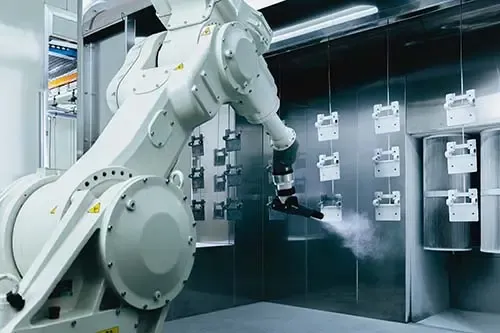
How Our Liquid Painting Die Casting Process Works — Step by Step
Great liquid painting is not accidental. It is achieved through a carefully controlled, step-by-step process, where each stage ensures the final appearance, color accuracy, and decorative quality of the part.
1.Degreasing & Cleaning — Preparing a Perfect Surface
All oils, release agents, and surface contaminants are fully removed, providing a clean base for the liquid coating to adhere uniformly.
2.Surface Preparation — Ensuring Smooth, Even Coverage
Through mechanical or controlled blasting methods, we create a uniform surface profile optimized for liquid paint, allowing smooth finishes, vibrant colors, and precise decorative effects.
3. Masking & Design Setup — Controlling Where the Paint Goes
Functional or assembly areas are masked carefully. This enables localized coating without affecting edges, threads, or critical surfaces, supporting multi-color or design-driven applications.
4. Liquid Paint Application — Building the Desired Finish
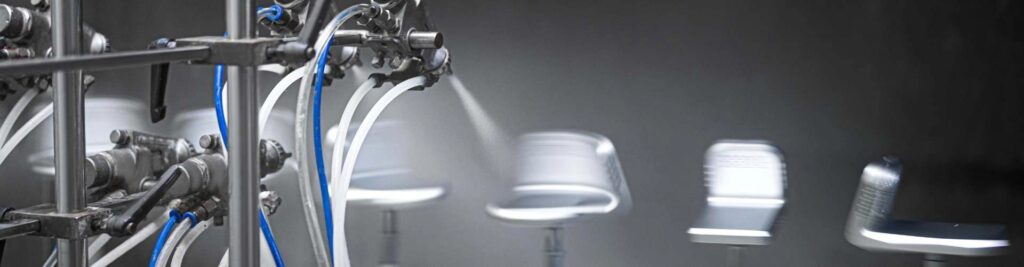
Using spray painting or automated liquid coating techniques, the paint is applied evenly, controlling thickness, texture, and gloss for each visible area of the part.
5. Drying & Curing — Stabilizing Color and Appearance
Painted parts are dried under controlled conditions to lock in vibrant colors and decorative finishes, while maintaining dimensional stability and surface smoothness.
6.Final Inspection & Packaging — Quality You Can See
Each batch is carefully inspected for color consistency, surface smoothness, and coverage accuracy, ensuring every component meets design and visual requirements before shipping.
Surface Preparation — The Hidden Key to Consistent Liquid Painting Results
In liquid painting, the final appearance is only the visible outcome. What truly determines color uniformity, surface smoothness, and decorative quality happens long before the paint is sprayed. For die cast parts, surface preparation is the critical step that defines how the paint flows, levels, and ultimately looks.
Common Industry Challenges
Die cast components introduce challenges that directly affect visual quality, not heavy-duty protection:
- Micro-porosity or surface texture variation can cause visible gloss inconsistency
- Residual release agents and oils may lead to poor paint leveling or localized defects
- Uneven surface conditions can result in streaking, orange peel, or color variation
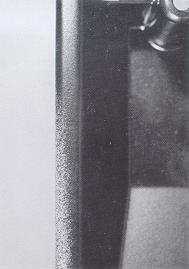

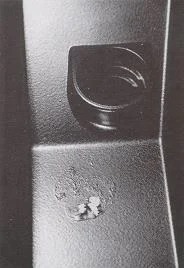
These issues are often not obvious on raw castings and only become visible after painting, when rework is costly and appearance standards are already compromised.
Our Control Measures
To ensure stable appearance and repeatable results, our control measures focus on how the casting surface behaves during liquid paint application, not just whether the paint adheres.
- Surface preparation tuned specifically for liquid paint flow and leveling
- Porosity-aware cleaning processes to ensure uniform coating behavior
- Optional stabilization steps for sensitive castings prior to painting
- Precision masking preparation for selective or cosmetic-only coating areas
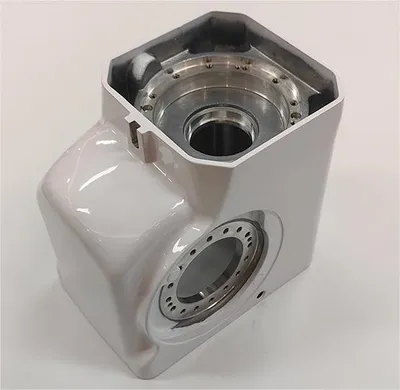
This preparation ensures liquid painting delivers smooth finishes, accurate colors, and consistent decorative appearance—not a surface layer that looks acceptable on one batch and inconsistent on the next.
Liquid Painting Types for Die Casting Parts We Offer
Acrylic-Based Liquid Paints
– Best for cosmetic die cast parts requiring clean color and smooth appearance; not recommended for parts exposed to heavy abrasion or harsh chemicals.
Polyurethane (PU) Liquid Paints
– Ideal for components needing a balance of visual quality and surface durability; less suitable where extreme corrosion protection is the primary requirement.
Epoxy-Based Liquid Paints (Primer Systems)
– Used as base layers to improve adhesion and surface stability; typically not used alone as a final decorative finish.
Multi-Layer Liquid Paint Systems
– Designed for projects requiring precise color control, gloss consistency, or branding appearance; higher process complexity compared to single-layer coatings.
Custom Liquid Painted Finishes for Die Cast Parts: Colors, Gloss & Effects
As a professional die casting manufacturer, we offer in-house liquid painting services to achieve precise color control, refined surface appearance, and consistent visual quality on aluminum and zinc die cast components.
- Color Matching: Accurate RAL, Pantone, or custom color matching, ideal for brand-driven and design-sensitive components.
- Finish Options: High-gloss, semi-gloss, or matte finishes, optimized for smoothness, color uniformity, and visual consistency.
- Visual Effects & Detailing: Clean cosmetic surfaces, localized painting, selective masking, and multi-layer effects to meet detailed design requirements.
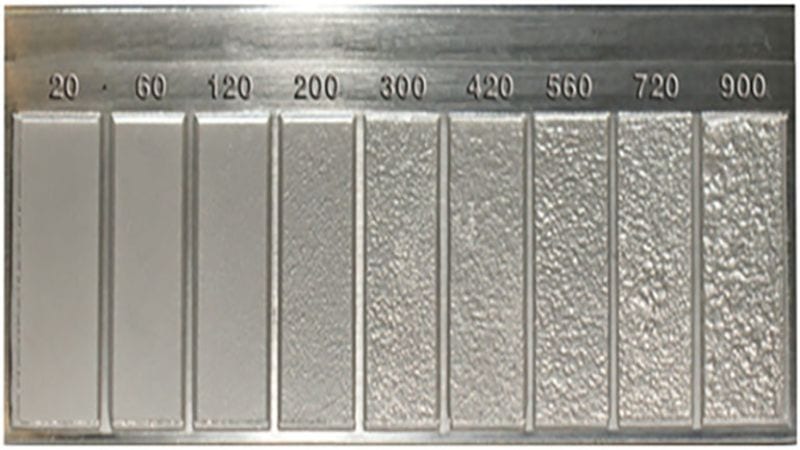
Unlike thick-film coatings, liquid painting focuses on appearance accuracy rather than heavy protective build-up, making it suitable for visible and design-critical die cast parts.
Key Technical Control & Quality Focus
- Paint Film Thickness: Typically 20–40 μm for controlled appearance and dimensional stability
- Appearance Inspection: Color consistency, gloss uniformity, and surface smoothness checked per batch
- Adhesion Verification: Cross-cut or tape testing based on project requirements
- Process Compliance: Paint systems selected to meet applicable RoHS and REACH standards
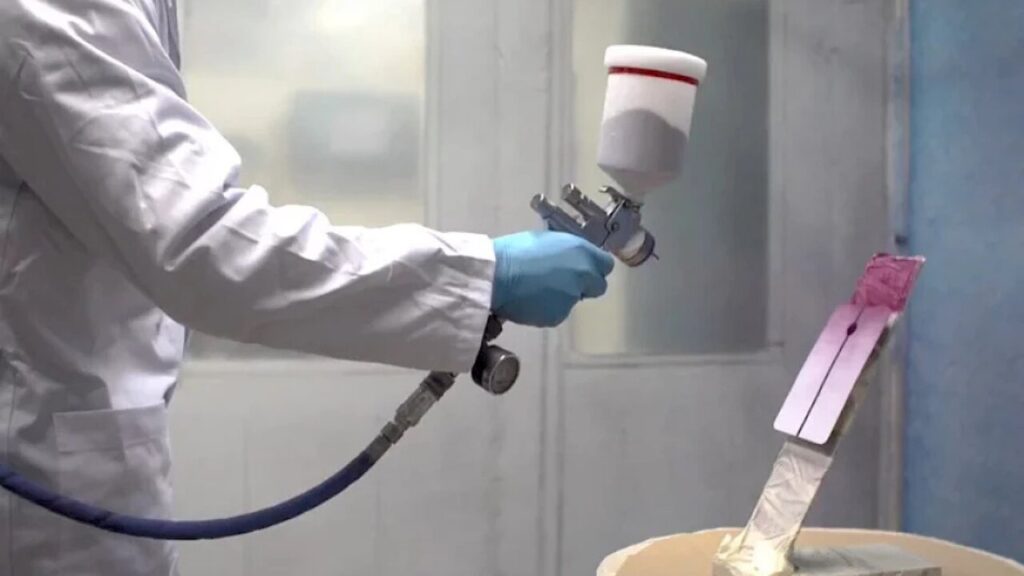
By performing liquid painting in-house, we ensure that casting condition, surface preparation, and paint application are managed as one continuous process, delivering reliable visual results without dependence on third-party finishing suppliers.
Design Guidelines for Liquid Painted Die Cast Parts
Liquid painting achieves the best visual results when it is considered during the die casting design stage, rather than applied as a corrective finish later.
Because liquid paint films are thinner and more sensitive to surface geometry than powder coatings, appearance quality is strongly influenced by casting design details.
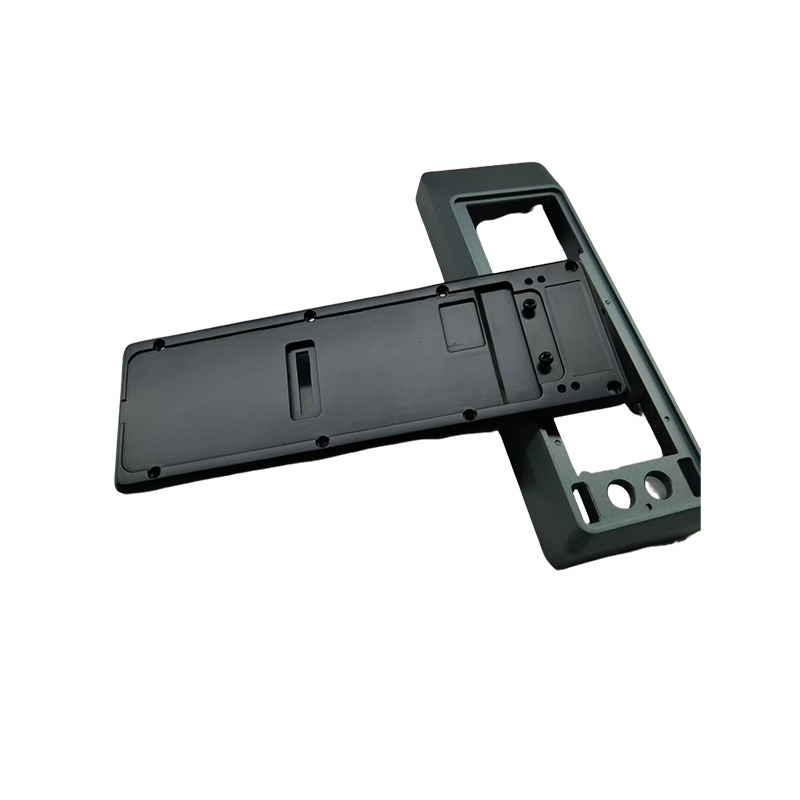
To achieve consistent appearance and stable paint quality on die cast parts, we recommend:
- Avoiding deep recesses, narrow grooves, or enclosed features where liquid paint flow and leveling can be difficult
- Designing smooth transitions instead of abrupt surface changes to reduce paint build-up, runs, or gloss variation
- Clearly defining cosmetic and non-cosmetic areas, especially when selective painting or masking is required
- Maintaining consistent surface textures across visible areas to prevent color or gloss inconsistency after painting
By aligning die casting design with liquid painting behavior, painted die cast parts achieve cleaner visual lines, better color uniformity, and repeatable cosmetic quality across production batches—without relying on excessive rework or touch-up.
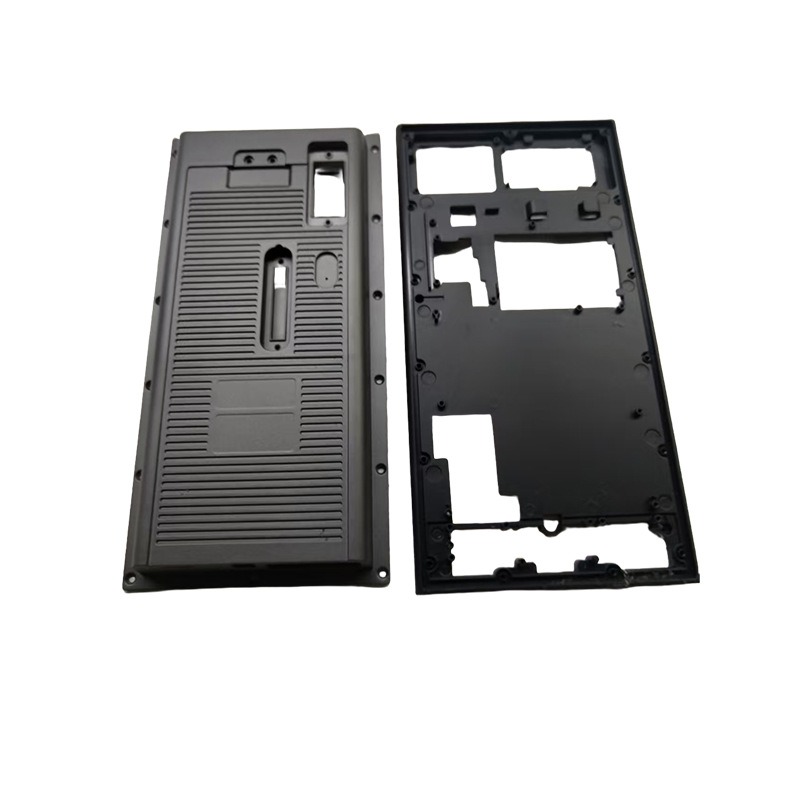
While liquid painting offers excellent visual control, certain die cast part features require careful evaluation:
- Precision bearing seats or functional surfaces that must remain paint-free to maintain dimensional accuracy
- Threaded features with tight assembly tolerances, where paint build-up may affect fit or torque
- Internal or enclosed areas where liquid paint drainage and drying are difficult to control
In these situations, selective masking, secondary machining, or alternative surface treatments may provide more stable results than full-part liquid painting.

We provide DFM-driven engineering feedback specifically for die casting projects at the quotation stage, with a strong focus on surface appearance requirements and liquid painting feasibility.
Our engineers evaluate part geometry, cosmetic zones, tolerance sensitivity, and masking complexity to determine whether liquid painting, partial painting, or alternative finishing solutions will deliver the most stable visual results — before production begins.
Powder Coating for Typical Applications of Casting parts
Automotive Interior Components
– Decorative trims, knobs, and control panels requiring consistent color, gloss, and texture across production batches.
Consumer Electronics Housings
– Smartphones, tablets, and remote controls where smooth, high-gloss finishes and precise color matching are critical.
Industrial Control Panels & Enclosures
– Cosmetic surfaces for visible operator interfaces, where multi-color or selective painting is needed.
Home Appliance Covers
– Washing machine panels, kitchen appliances, and vacuum cleaners where aesthetics and branding colors are important.
Lighting Fixtures & Electrical Housings
– Die cast parts exposed in visible locations, requiring smooth finishes, vibrant colors, or special coatings like satin or matte.
Decorative Hardware & Furniture Components
– Handles, brackets, and fittings with detailed surface patterns or special visual effects.
Our 6 Quality Controls for Powder-Coated Die Cast Parts
Liquid painting quality for die cast products is ensured through systematic inspection and process control, focusing on appearance, color consistency, and decorative quality rather than heavy-duty protection.
- Incoming Die Cast Surface Condition Inspection
Each batch of die cast parts is checked for surface smoothness, cleanliness, and suitability for liquid painting to prevent visual defects. - Surface Preparation Verification
Blasting, cleaning, and leveling processes are monitored to ensure a uniform surface profile for consistent paint flow and finish. - In-Process Paint Application Control
Liquid paint application is tracked for even coverage, controlled thickness, and accurate color matching across visible surfaces. - Adhesion and Flow Performance Testing
Tests confirm proper paint adhesion, smooth leveling, and absence of streaking or runs on cosmetic areas. - Appearance Evaluation Based on Design Requirements
Visual inspections verify color consistency, gloss, texture, and decorative effects according to design and branding expectations. - Batch Traceability and Finish Consistency Management
Production batches are monitored to ensure repeatable liquid painting results from prototype to full-scale production.
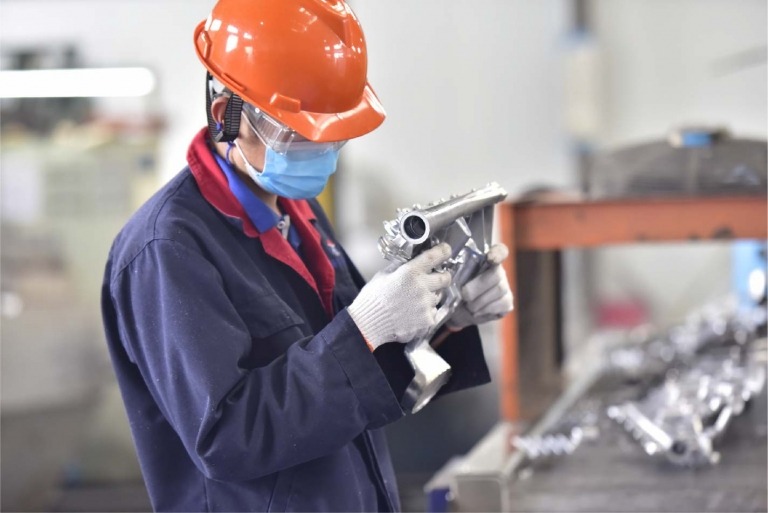
Why Liquid Painting Can Be Challenging on Die Cast Parts — How We Control It
Liquid painting defects often originate from the die casting itself rather than the paint application. Surface geometry, micro-porosity, and inconsistent handling can affect flow, leveling, and visual quality. As an integrated die casting and liquid painting manufacturer, we address these risks from casting through surface prep and painting, not after defects appear.
| What Customers Usually See | Why This Happens on Die Cast Parts | How We Prevent It in Production |
|---|---|---|
| Gloss Inconsistency (Uneven shine or dull spots) | Surface micro-variation or roughness affects paint leveling | Controlled surface preparation, leveling-blasting, and monitoring paint flow during application |
| Runs or Sags (Paint dripping in recessed areas) | Excess paint accumulates in complex or recessed geometries | Optimized spray technique, selective masking, and controlled layer thickness for uniform flow |
| Color or Shade Variation Between Batches | Variations in surface condition, paint mixing, or drying conditions | Standardized paint mixing, in-house surface prep, and batch-controlled drying processes |
| Streaks or Brush Marks | Manual touch-ups or uneven application on visible surfaces | Trained application teams, automated or controlled spray systems, and careful masking of cosmetic zones |
| Edge or Corner Irregularities | Sharp or complex edges disrupt liquid paint f low | Design guidance for edge radii, localized application control, and masking for critical visual areas |
| Dust or Contamination Marks | Particles or oils present before painting | Degreasing, careful handling, and inspection before painting to ensure a clean surface |
Liquid Painting vs Anodizing and Powder Coating for Die Cast Parts
Liquid painting offers unique advantages for die cast parts where visual quality, color flexibility, and design precision are priorities. While powder coating and anodizing provide durability or surface hardness, liquid painting excels in cosmetic finish, selective masking, and low-volume or custom projects.
| Feature / Consideration | Liquid Painting | Powder Coating | Anodizing |
|---|---|---|---|
| Compatibility with Die Cast Materials | Works well on aluminum and zinc; suitable for decorative finishes | Excellent for aluminum, zinc, magnesium; optimized for industrial durability | Mainly aluminum; sensitive to porosity |
| Film Thickness | Thin, controlled for appearance | Thick, protective layer | Thin oxide layer |
| Edge & Corner Coverage | Moderate; allows careful localized painting | Strong, full coverage | Weak on sharp edges |
| Cosmetic Consistency | High color accuracy, gloss, and texture; supports multi-color and selective painting | Wide color range but uniform finish; less flexible for design details | Limited color options; natural metallic look |
| Geometry Compatibility | Good for visible surfaces, selective areas, or prototypes | Excellent for complex parts | Difficult on intricate shapes |
| Production Volume Suitability | Low to medium, ideal for prototypes, small runs, or custom designs | Medium to high | Low to medium |
| Design & Branding Flexibility | Excellent; supports custom colors, decorative effects, and masking | Moderate; mainly uniform finishes | Limited to natural anodized appearance |
Key Takeaway
For die cast parts where appearance, color fidelity, and design-driven finishes are critical, liquid painting is the ideal choice—especially for prototypes, small batches, or decorative components. Powder coating excels in durability and coverage for high-volume industrial parts, while anodizing remains suitable for selective aluminum components requiring hardness or metallic aesthetics.
Why Customers Choose IEC Mould for Their Liquid Painted Die Cast Parts
At IEC Mould, we deliver visually consistent, high-quality liquid painted die cast components for global projects and design-driven applications.
- Design-focused production: Our integrated process ensures each part achieves accurate color, smooth finishes, and precise decorative effects, even in low-volume or prototype runs.
- Complete in-house control: From casting and surface preparation to liquid painting, every step is monitored to maintain consistent appearance and cosmetic quality.
- Flexible and customized finishing: We support multi-color, selective painting, and special visual effects tailored to your product design.
- Proven global experience: Our die casting and finishing expertise has successfully met visual and quality expectations for international clients across diverse industries.
Start Your Liquid Painting Die Casting Project
Contact our engineering team to discuss your application, part design, and liquid painting requirements.
Our experts work with you to ensure accurate colors, smooth finishes, and consistent decorative quality—helping your die cast parts look their best without hidden surprises.