
In the manufacturing world, where lightweight design meets structural integrity, the choice (magnesium vs aluminum die casting) has become a pivotal decision for engineers and product designers. As industries from automotive to consumer electronics relentlessly pursue efficiency and performance, understanding the nuanced battle between these two “sister metals” is more critical than ever. This guide dives deep, moving beyond surface-level comparisons to provide a comprehensive, actionable framework for selecting the optimal material for your next project.
Magnesium vs Aluminum Die Casting: Core Performance Showdown
Before delving into the intricate details, let’s establish a clear, head-to-head comparison (magnesium vs aluminum die casting) of the fundamental properties. This table outlines the essential characteristics that dictate real-world performance.
| Property | Magnesium Alloys | Aluminum Alloys (e.g., A380) | Practical Implication |
|---|---|---|---|
| Density | ~1.74 g/cm³ | ~2.70 g/cm³ | Magnesium is approximately 35% lighter than aluminum, offering the ultimate lightweighting potential. |
| Strength-to-Weight Ratio | Excellent | Very Good | For weight-critical applications, magnesium provides superior strength per unit mass. |
| Fluidity & Castability | Exceptional | Good | Magnesium fills thinner walls (down to 0.6mm) and more complex molds with greater ease and dimensional stability. |
| Machinability | Superior | Good | Magnesium parts can be machined at much higher speeds with lower energy consumption and longer tool life. |
| Corrosion Resistance | Poor (requires coating) | Excellent | Aluminum forms a protective oxide layer; magnesium typically needs post-casting surface treatments for harsh environments. |
| Thermal Conductivity | 84-126 W/(m·K) (Newer alloys) | 96-120 W/(m·K) | Both are good heat dissipaters. Newer high-thermal-conductivity magnesium alloys are closing the gap. |
| Damping Capacity | High | Moderate | Magnesium absorbs vibration and noise more effectively, beneficial for moving components. |
| Raw Material Cost | Historically higher, but volatile | Generally lower and more stable | Aluminum has a mature supply chain. Magnesium pricing can fluctuate but offers long-term savings via part consolidation. |
Beyond the Basics: A Deep Dive into Technical Nuances
The raw data (magnesium vs aluminum die casting) only tells part of the story. True selection requires understanding the “why” behind the numbers.
The Lightweighting Domino Effect
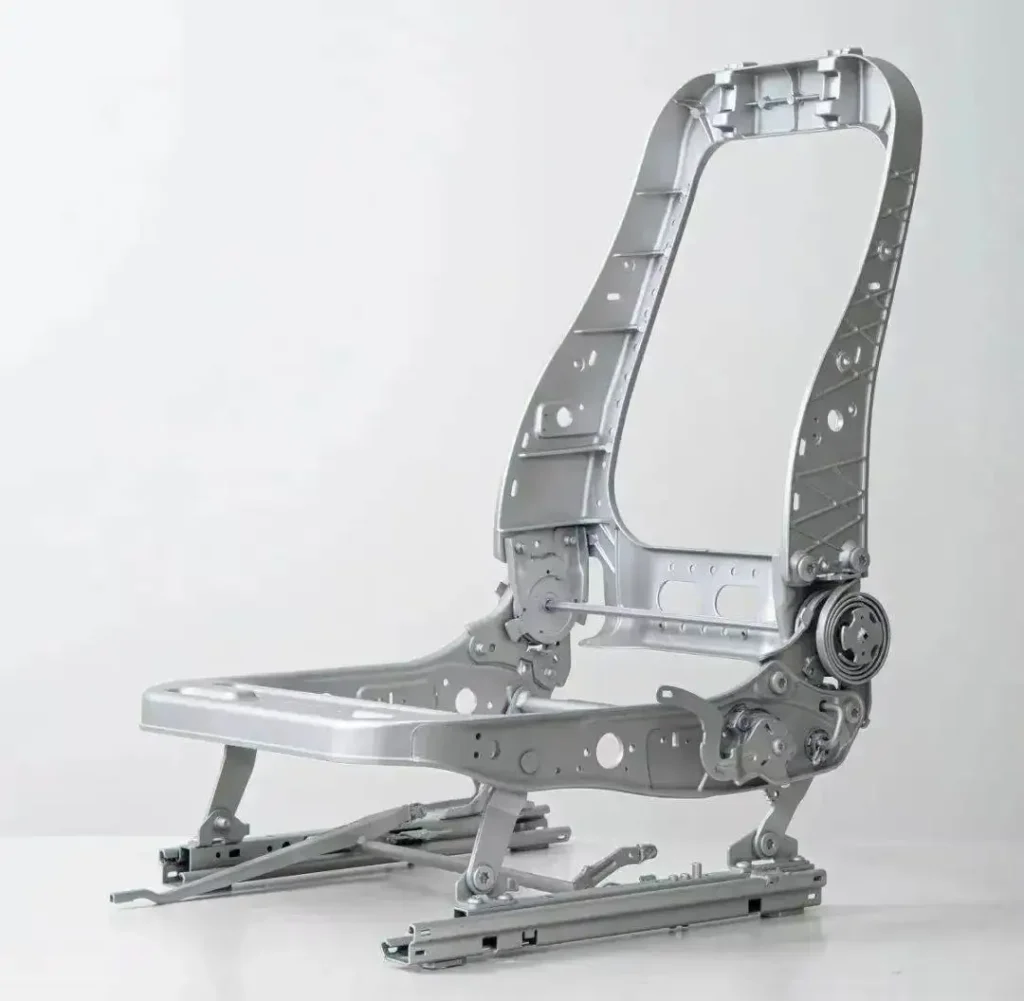
Choosing magnesium isn’t just about the weight of a single part. In dynamic systems like vehicles or portable devices, reducing the mass of one component creates a cascading “secondary weight savings” effect. Lighter parts require less robust supports and smaller motors, leading to compounded efficiency gains. For instance, a magnesium automotive seat frame can reduce weight by over 40% compared to steel, directly improving fuel economy and handling.
The Evolution of Material Science
The notion that magnesium always sacrifices strength for lightness is outdated. Advancements in alloying and processing have led to high-strength, creep-resistant alloys like AE44 (Mg-4Al-4RE). These alloys maintain integrity at elevated temperatures, opening doors for applications near engines or in powertrain components. Researchers are also developing alloys that optimize thermal conductivity, a property once dominated by aluminum. For a deeper look at alloy development, authoritative sources like ASM International provide valuable technical resources.
Strength vs Thermal Conductivity: Die Casting Alloys
Comparing mechanical and thermal properties of magnesium and aluminum alloys for die casting applications
Hover over data points for detailed alloy specifications. Data based on industry standards and recent material research.
The Process Makes Perfect
Vacuum-Assisted High-Pressure Die Casting: This process is crucial for both metals but is especially transformative for creating large, structurally sound aluminum castings. By removing air from the die cavity, it minimizes porosity, allowing parts to be heat-treated and welded. This is the enabling technology behind the automotive industry’s shift to mage-casting for large body components.
Conventional vs. Vacuum-Assisted Die Casting
Visual comparison of the process and resulting part quality
Conventional HPDC
- Air remains trapped in the mold cavity
- High porosity in final casting
- Not suitable for heat treatment or welding
- Lower mechanical strength
Vacuum-Assisted HPDC
- Air evacuated before metal injection
- Minimal porosity, dense structure
- Castings can be heat-treated and welded
- Higher strength and integrity
- Magnesium’s Inherent Process Advantages: Magnesium’s excellent fluidity allows it to be cast at lower temperatures and pressures than aluminum. More importantly, it does not “solder” to steel molds like aluminum does. This results in significantly longer mold life—often 2-3 times that of an aluminum die—which can amortize higher material costs over long production runs.
Application-Based Selection: Making the Right Call
Die Casting Material Selection Guide
Magnesium vs aluminum die casting, which is suitable for your products? Follow this decision path to identify the optimal material for your application
Is the primary goal extreme lightweight or vibration damping?
YES → Select Magnesium Alloy
NO → Please consider the next question
Will it be exposed to harsh corrosive environments or require very low cost?
YES → Select Aluminum Alloy
NO → Please consider the next question
Is high thermal conductivity needed with acceptable higher cost?
YES → Consider new high thermal conductivity magnesium alloys
NO → Your situation requires special analysis
Choose Magnesium When:
Primary Goal is Minimum Weight: Aerospace interiors, drone frames, professional camera bodies, and high-end laptop housings.
Part Consolidation is Key: Replacing multiple aluminum or plastic parts with a single, complex magnesium die casting to reduce assembly time and cost.
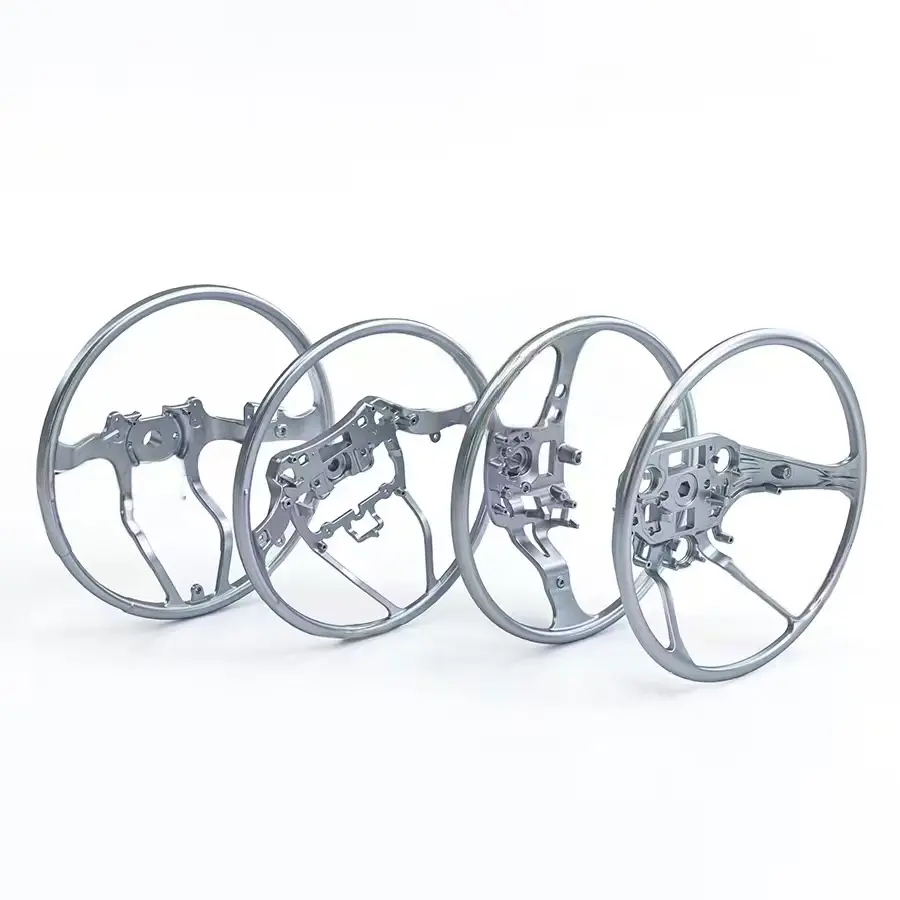
Dynamic Performance is Critical: Components subject to shock and vibration, such as steering column components, power tool housings, and transmission cases, benefit from magnesium’s high damping capacity.

Choose Aluminum When:
Corrosion Resistance is Paramount: Marine components, outdoor electronic enclosures, and automotive parts exposed to road salt.
You Have High-Volume, Cost-Sensitive Projects: Consumer electronics, small engine blocks, and a wide range of automotive brackets where the stable, lower-cost raw material and established supply chain are decisive.
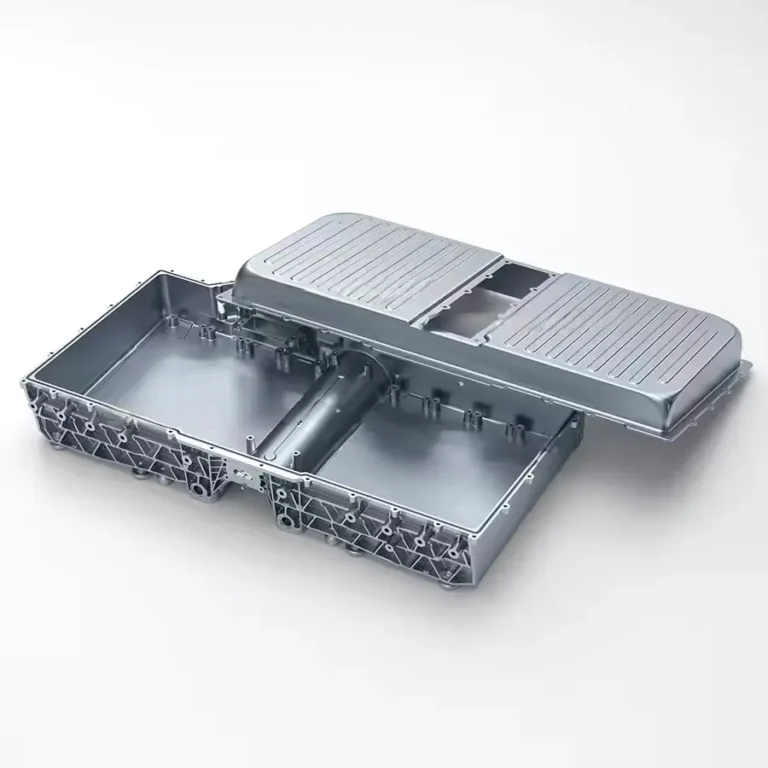
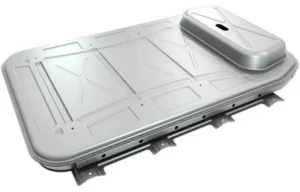
Structural Mega-Casting is the Aim: For the large, single-piece automotive body castings revolutionizing car design (e.g., Tesla’s Giga Castings), the high-strength, heat-treatable, and weldable aluminum alloys are currently the industry standard.
The High-Thermal-Conductivity Niche
For heat sinks, LED housings, or electronic chassis, the choice is nuanced. Traditional aluminum alloys like A383 have a strong legacy. However, newer magnesium alloys engineered for thermal conductivity are compelling options when weight savings and heat dissipation are equally vital, demanding a detailed performance-per-dollar analysis.
The Future Cast: Trends and Innovations in Magnesium vs Aluminum Die Casting
The race (magnesium vs aluminum die casting) between these metals is fueled by relentless innovation.
Sustainability and Recycling
Both metals are 100% recyclable with minimal property loss. The lower energy requirement for melting magnesium (due to its lower melting point) enhances its green credentials in a circular economy model.
Multi-Material Design
The future isn’t about choosing one (magnesium vs aluminum die casting) over the other. The winning strategy involves using both optimally. A product might feature a high-strength aluminum structural spine with lightweight magnesium covers, each playing to its strength. Adhesive and mechanical joining techniques for dissimilar metals are a key area of development.
Additive Manufacturing Hybridization
While die casting excels at mass production, 3D printing (also known as additive manufacturing) is revolutionizing prototyping and low-volume production. The ability to 3D print a sand mold for a complex, one-off magnesium prototype significantly accelerates development cycles. Staying informed about these hybrid manufacturing trends is crucial.
Conclusion
There is no universal winner in the magnesium vs aluminum die casting. Magnesium reigns supreme in the relentless pursuit of minimal weight, part consolidation, and vibration damping. Aluminum remains the champion of corrosion resistance, high-volume cost-efficiency, and mega-structural applications.
The most advanced manufacturers are moving beyond a binary choice. They are building deeper partnerships with die casting experts who can navigate the full spectrum of alloys, processes, and finishing options. By thoroughly evaluating your project’s priority matrix—weight, cost, corrosion, strength, volume, and thermal needs—against the detailed profiles of these two remarkable materials, you can make a decision that ensures optimal performance, durability, and value.
Ready to specify the perfect material for your next design? For a comprehensive overview of our capabilities in both aluminum and magnesium die casting, visit our Die Casting Services page. If you have a specific component in mind, our engineering team is ready to provide a free design-for-manufacturability analysis. Contact us for a Quote today.