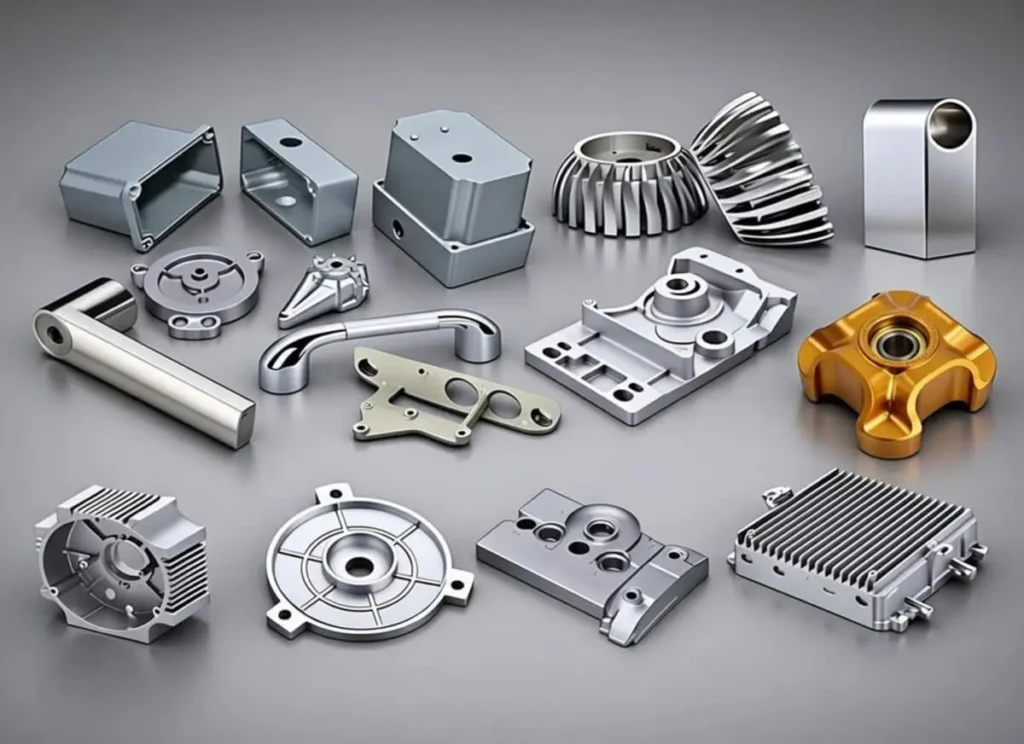
The True Cost of a “Cheap” Aluminum Die Casting Supplier
We’ve all been there – you select an aluminum die casting supplier based primarily on the lowest quote, only to face project delays, unexpected rework costs, and quality issues that strain your budget and timeline. The reality is that in aluminum die casting, the initial unit price is just one piece of the puzzle. Choosing a partner who acts as an extension of your engineering and quality team is crucial for long-term success.
When evaluating a potential aluminum die casting supplier, moving beyond price to assess their complete value proposition can save significant cost and stress. Here are the five key factors that separate exceptional partners from average vendors.
Factor 1: Technical & Engineering Capabilities
A true partner in aluminum die casting does more than just fill a mold. They collaborate to optimize your part for manufacturability, cost, and performance from the very beginning.
| Evaluation Dimension | Key Details & Requirements |
|---|---|
| Proactive Design for Manufacturability (DFM) | Exceptional aluminum die casting suppliers analyze drawings (not just quote them) and provide detailed DFM feedback, such as:
Goals: Improve metal flow and reduce defect risk in aluminum die casting. |
| In-House Tooling Mastery | The mold is the core of the process. Evaluate:
Benefits: Predicts molten aluminum flow in the cavity, preemptively addresses air pockets or shrinkage before steel cutting. |
| Process and Material Knowledge | Aluminum Die Casting Suppliers should understand alloy nuances for aluminum die casting:
Requirement: Technical staff can guide material selection to meet mechanical specifications. |
Factor 2: Quality Systems & Certifications
Quality in aluminum die casting cannot be inspected into a part; it must be cast into it. Robust, systematic processes are non-negotiable.
| Quality Evaluation Dimension | Key Requirements & Details |
|---|---|
| Certifications as a Baseline | Minimum and industry-specific certifications to verify:
Value: Demonstrates commitment to documented procedures and continuous improvement. |
| Advanced Quality Planning (AQP) | Verify the aluminum die casting supplier’s quality planning process:
Goal: Mitigate risks in the aluminum die casting cycle before production starts. |
| In-Process Verification | State-of-the-art facilities implement multi-layer verification:
Outcome: Ensures consistent quality for every aluminum die casting part. |
Factor 3: Production Capacity & Scalability
Can they handle your prototype, your ramp-up, and your full production needs? Capacity is about both capability and consistency.
| Capability Evaluation Dimension | Key Requirements & Benefits |
|---|---|
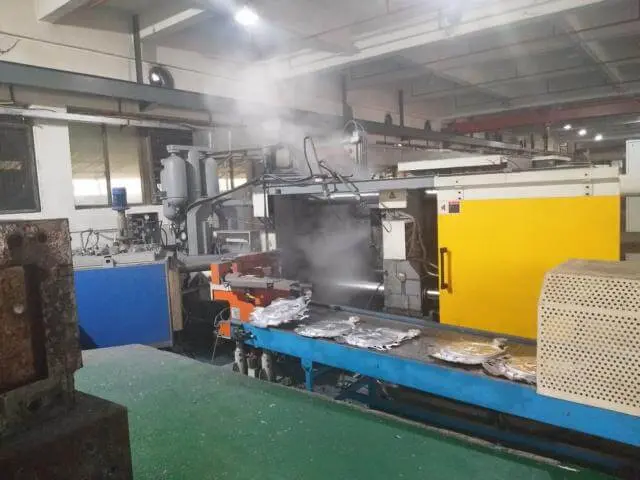
| Equipment Portfolio | A capable aluminum die casting supplier should have a diverse range of die casting machines:
Benefit: Ensures optimal pressure during casting and consistent part quality. |
| Automation for Consistency | Implementation of robotics in key processes:
Benefits: Reduces human error, enhances worker safety, maintains cycle time consistency (critical for high-volume aluminum die casting projects). |
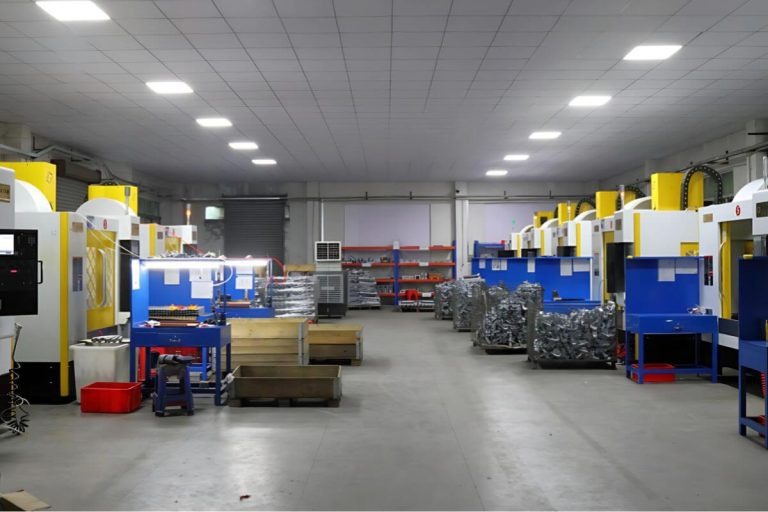
| Vertical Integration | Aluminum Die Casting Suppliers with in-house secondary operations provide core advantages:
Benefits: Streamlines logistics, improves accountability, accelerates project timeline, and optimizes the entire die casting & finishing workflow. |
Factor 4: Experience & Specialization
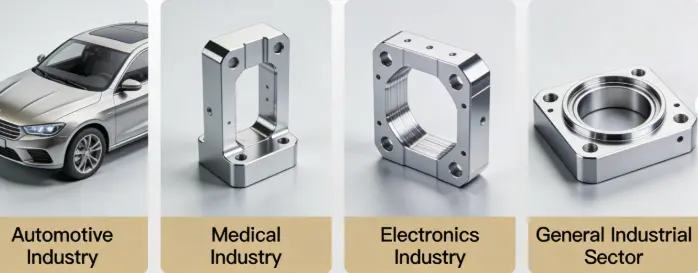
There is no substitute for proven, relevant experience. A supplier proficient in consumer electronics housings may struggle with the stringent requirements of a structural automotive aluminum die casting.
| Experience Evaluation Dimension | Key Requirements & Verification Points |
|---|---|
| Industry-Specific Pedigree | Verify aluminum die casting supplier’s expertise in your target industry via case studies/part examples:
Purpose: Ensure they grasp industry-specific requirements for aluminum die casting parts. |
| Complexity Portfolio | Examine their track record with parts similar to yours:
Insight: Past performance in challenging die casting projects is the best predictor of future success with your parts. |
Factor 5: Communication & Project Management
The smoothest projects are built on transparency. Even the most technically brilliant aluminum die casting operation can fail if communication is poor.
| Partnership Evaluation Dimension | Key Requirements & Considerations |
|---|---|
| Clarity and Responsiveness | Communication should be consistent across all project stages:
Standard: Communication must be clear, professional, and timely at all times. |
| Dedicated Project Management | A single point of contact (SPOC) is critical with these traits:
Value: Invaluable for smooth execution of aluminum die casting projects. |
| Cultural Alignment (for overseas aluminum die casting suppliers) | Consider practical communication and operational factors:
Key: Effective global partnership requires bridging geographic and cultural/communication gaps. |
How to Action Your Aluminum Die Casting Supplier Evaluation Checklist
Don’t just read—act. Use this framework in your next RFQ process:
- Prepare Technical Questions: Ask specific questions about their DFM approach for your part and their experience with your required alloy.
- Request a Facility Tour: A virtual or in-person tour reveals their organization, maintenance culture, and technology investment in aluminum die casting.
- Ask for Client References: Contact 2-3 companies for whom they’ve produced similar aluminum die casting components and ask about their experience.
- Scrutinize the Quote: A thorough proposal includes tooling cost/strategy, piece price, and clear terms—it’s a preview of their thoroughness.
Investing in Partnership
Choosing your aluminum die casting supplier is one of the most consequential decisions for your product’s success. The lowest initial price often obscures the high long-term costs of poor quality, delayed timelines, and operational headaches.
By evaluating technical prowess, systemic quality, scalable capacity, relevant experience, and professional communication, you move beyond a transactional vendor relationship. You invest in a true manufacturing partner—one that delivers consistent, high-quality aluminum die casting, protects your supply chain, and ultimately becomes a cornerstone of your product’s reliability and your company’s growth.