Casting Surface Finishing Capabilities for Production Parts
Integrated surface finishing solutions for aluminum, zinc, and magnesium die castings — engineered for appearance, performance, and long-term production stability.
From mechanical surface preparation to advanced coating, plating, and chemical treatments, IEC Mould provide production-proven surface finishing capabilities that support both cosmetic and functional requirements in global die casting programs.
Die Casting Surface Finishing — Manufacturing Capabilities Overview
Surface finishing is not an isolated process in die casting. It is a critical manufacturing step that directly impacts corrosion resistance, wear performance, assembly compatibility, and overall product quality. As a China-based die casting manufacturer serving international customers, we integrate surface finishing into our engineering, DFM, and production planning processes, ensuring each finish is compatible with the selected alloy, part geometry, porosity level, and end-use environment. Our surface finishing capabilities include:
Mechanical Surface Preparation
- Shot blasting
- Sand blasting
- Deburring
- Polishing & brushing
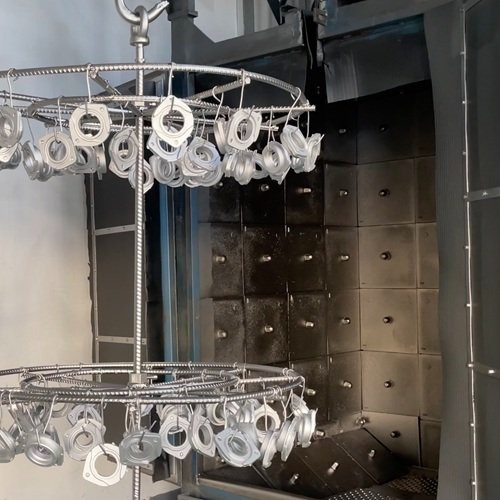
Coating & Painting
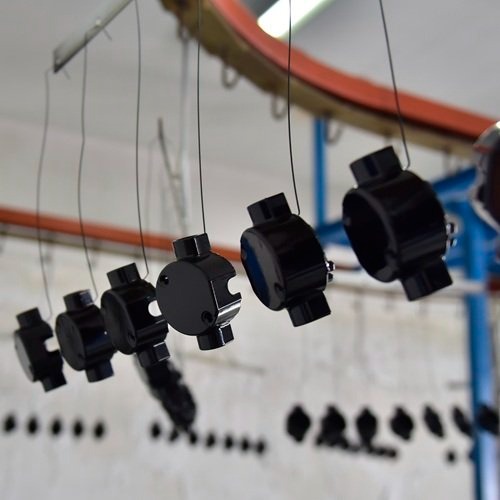
- Powder coating
- Liquid painting
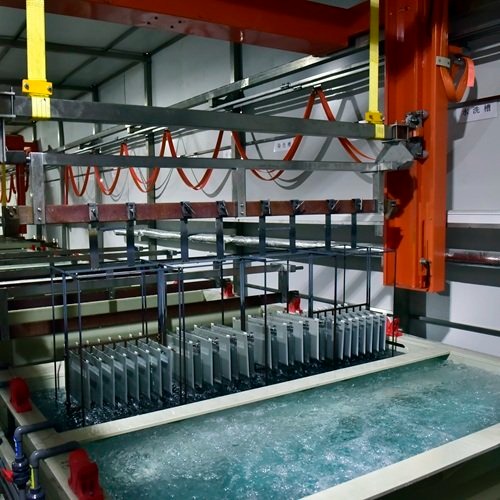
- E-coating
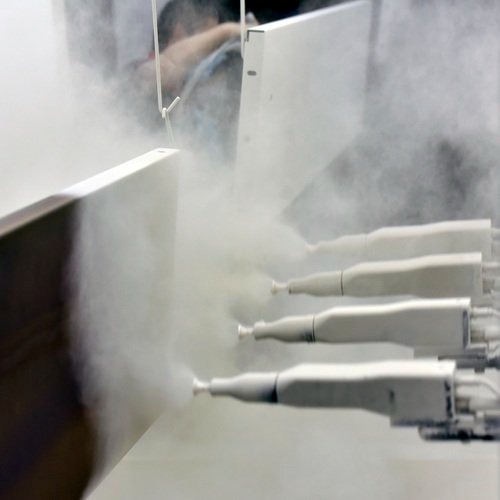
Plating & Chemical Treatments
- Electroplating (zinc die casting)
- Chemical conversion coating
- Chromate & trivalent passivation
Special & Functional Finishes
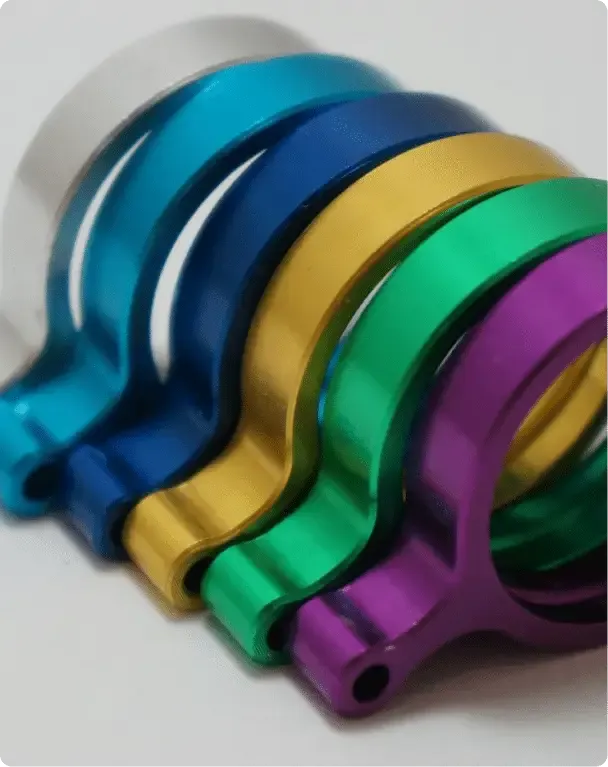
- Anodizing (case-by-case)
- MAO / PEO for magnesium
- Porosity sealing & impregnation
Why Surface Finishing Is Critical in Die Casting Production
In die casting, surface finishing serves both functional and commercial objectives:
- Provide electrical insulation or conductivity where required
- Improve corrosion resistance in aggressive environments
- Enhance wear resistance and surface hardness
- Seal surface porosity to reduce leakage risk
- Achieve consistent appearance across production batches
- Enable branding, color matching, and visual differentiation
- Meet customer-defined cosmetic standards
However, surface finishing failures are common when finishing decisions are made without proper engineering evaluation. Typical risks include blistering, peeling, color inconsistency, and premature corrosion — all of which usually trace back to porosity, alloy selection, or inadequate surface preparation.
Our approach focuses on preventing these risks before finishing begins, not reacting to them after defects appear.
Surface Finishing for Different Die Casting Materials
Different die casting alloys respond very differently to surface treatments. Selecting the right finish starts with understanding the material.
Aluminum Die Casting Surface Finishing
Aluminum die castings are widely used in automotive, industrial, and electronics applications. Common surface finishing objectives include corrosion protection, improved appearance, and functional performance. Typical aluminum finishing options include:
- Powder coating
- Liquid painting
- E-coating
- Chemical conversion coating
High silicon content in die casting aluminum alloys can limit anodizing quality. For this reason, anodizing is evaluated case by case and not universally recommended.
Zinc Die Casting Surface Finishing
Zinc die casting offers excellent dimensional accuracy and surface quality, making it ideal for decorative and precision components. Zinc finishing options include:
- Electroplating (nickel, chrome, zinc)
- Painting and powder coating
- Chemical passivation
Electroplating is particularly common for zinc die cast parts, but porosity control and pre-treatment quality are critical to avoid blistering or adhesion failure.
Magnesium Die Casting Surface Finishing
Magnesium die casting requires specialized surface treatments due to its high reactivity. Common magnesium finishes include:
- Chemical conversion coating
- Painting and powder coating
- Micro-arc oxidation (MAO / PEO)
These processes improve corrosion resistance and surface durability while maintaining lightweight advantages.
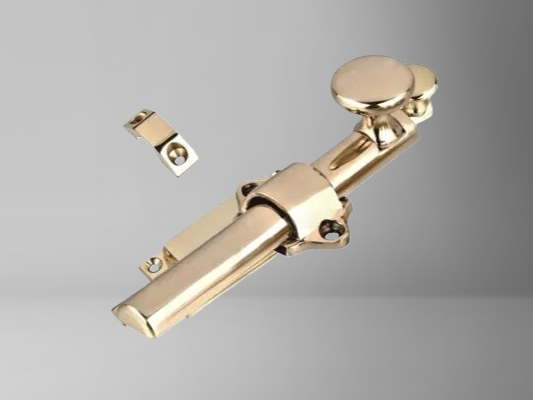
Copper Die Casting Surface Finishing
Copper die casting is used only in limited and specialized applications. Surface finishing is typically functional rather than decorative, focusing on oxidation control, surface cleanliness, and performance stability. Common finishing options include:
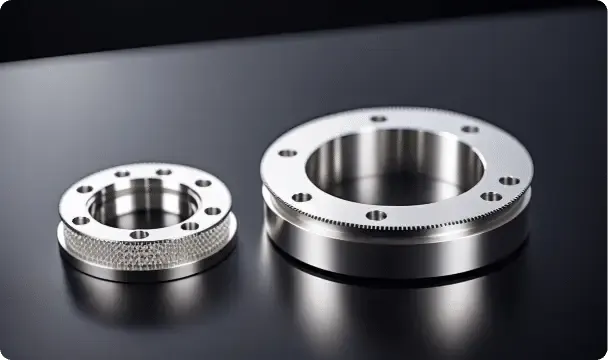
- Mechanical polishing or brushing
- Chemical cleaning and degreasing
- Anti-oxidation or passivation treatments
- Selective functional coatings (application-specific)
Due to copper’s inherent electrical and thermal conductivity, decorative electroplating is rarely required. Finishing selection depends on functional requirements and application environment rather than cosmetic appearance.
In-House & Outsourced Surface Finishing Capabilities
We adopt a hybrid finishing strategy to balance quality control, cost efficiency, and technical feasibility. All external finishing processes are managed under defined technical specifications, quality standards, and inspection protocols, ensuring consistent results across production batches.
In-house surface preparation
- Shot blasting
- Sand blasting
- Deburring
- Polishing and brushing
- Pre-treatment inspection
Qualified external finishing partners
- Powder coating
- E-coating
- Electroplating
- Anodizing
- Chemical conversion coating
Mechanical Surface Preparation for Die Cast Parts
Mechanical surface preparation is the foundation of reliable surface finishing. Each preparation method is selected based on surface roughness targets, coating compatibility, and functional requirements.
Shot Blasting
Used to remove flash, scale, and surface contaminants while creating a uniform surface profile for coating adhesion.
Sand Blasting
Used to remove flash, scale, and surface contaminants while creating a uniform surface profile for coating adhesion.
Polishing & Brushing
Used to remove flash, scale, and surface contaminants while creating a uniform surface profile for coating adhesion.
Coating & Painting Options for Die Cast Parts
- Environmentally friendly processing
- Excellent corrosion resistance
- Wide color selection
- Uniform thickness
It is commonly used for outdoor and industrial applications where durability is required.
- Compatibility with complex geometries
- Flexible color and texture options
- Lower initial cost
Quality control focuses on adhesion, film thickness, and appearance consistency.
- High corrosion resistance requirements
- Complex shapes
- Internal cavities
It delivers uniform coverage and is often used in automotive and structural applications.
Plating & Chemical Surface Treatments in Die Casting
Electroplating enhances appearance and corrosion resistance. Typical coatings include:
Electroplating for Zinc Die Casting
Electroplating enhances appearance and corrosion resistance. Typical coatings include:
- Nickel
- Chrome
- Zinc
Successful plating requires low porosity, proper degassing, and controlled pre-treatment.
Chromate & Trivalent Conversion Coatings
These treatments provide:
- Minimal dimensional change
- Basic corrosion protection
- Excellent paint adhesion
They are commonly used for electronics housings and industrial components.
Sealing & Impregnation
Porosity sealing reduces:
- Corrosion initiation points
- Finishing failure rates
- Leakage risk
It is often applied before plating or painting when porosity risk is identified.
Special Surface Finishes for High-Performance Applications
Anodizing for Aluminum Die Castings
Anodizing improves:
- Corrosion protection
- Surface hardness
- Wear resistance
Due to alloy limitations, anodizing is evaluated during DFM to ensure feasibility.
Micro-Arc Oxidation (MAO / PEO)
MAO produces a ceramic-like surface with:
- Exceptional wear resistance
- High corrosion protection
- Electrical insulation
It is used in demanding industrial and specialty applications.
Design optimization happens before die casting mold steel cutting begins, when changes are fast, low-risk, and cost-effective — not after problems appear on the shop floor.
How to Choose the Right Surface Finish for Die Cast Parts
Choosing the right surface finish for die cast parts requires balancing appearance, performance, cost, and production risk. The best finish is not always the most attractive one, but the one that performs reliably in mass production. Key factors to consider include:
- Alloy type (aluminum, zinc, magnesium)
- Operating environment (corrosion, wear, heat, chemicals)
- Cosmetic requirements (Class A vs functional surfaces)
- Tolerance sensitivity (coating thickness and dimensional impact)
- Production volume (process stability and cost at scale)
Early involvement of die casting and surface finishing engineers helps ensure the selected finish is technically feasible, dimensionally stable, and cost-effective, reducing quality issues and rework during full production.
How Porosity Affects Surface Finishing in Die Casting
Porosity is the primary root cause of surface finishing failures in die casting—not the finishing process itself. Even when a die cast part appears acceptable after casting, subsurface gas or shrinkage porosity can become exposed during surface finishing, leading to cosmetic defects, adhesion failure, and long-term durability issues. These problems often appear only after secondary processing, making them costly to correct.
Surface Finishing Processes Most Sensitive to Porosity
Certain finishing processes are inherently high-risk when porosity is not properly controlled:
- Electroplating
Trapped gas expands during chemical and electrical treatment, causing blistering, peeling, or poor adhesion. - Anodizing (Electrolytic Oxidation)
Open porosity results in uneven oxide layers, color inconsistency, and surface pitting. - High-Gloss Painting & Cosmetic Coatings
Reflective finishes amplify even minor subsurface defects, making porosity visually unacceptable on Class A surfaces.
Successful surface finishing does not start at the coating line—it starts at the casting design stage.
Our Engineering-Based Approach to Porosity Control
We address surface finishing risks by controlling porosity at its source, not by cosmetic rework after defects appear:
- Mold design optimization
Flow-balanced cavity layouts that minimize air entrapment and turbulence. - Gating and venting control
Precisely engineered runners, overflows, and vent paths to evacuate gas effectively. - Vacuum-assisted die casting
Actively reduces internal gas porosity for plating- and anodizing-grade castings. - Pre-finishing evaluation
Early assessment of casting quality and porosity distribution to confirm surface finish feasibility before mass production.
Design Guidelines for Surface Finishing on Die Cast Parts

Successful surface finishing starts at the design stage, not at the coating line. Poorly designed features can lead to uneven coatings, tolerance drift, and cosmetic defects that no finishing process can fully correct.
Key design considerations for surface finishing include:
- Draft angles designed to ensure uniform coating thickness and avoid buildup
- Controlled edge radii to prevent coating thinning and edge burn-through
- Masking of functional surfaces to protect critical dimensions and mating areas
- Tolerance stacking analysis to account for coating thickness in final part dimensions
Design for Surface Finishing (DFSF) is fully integrated into our DFM reviews, ensuring that every part is engineered for both manufacturability and finishing success before tooling is released.
Quality Control for Die Casting Surface Finishing
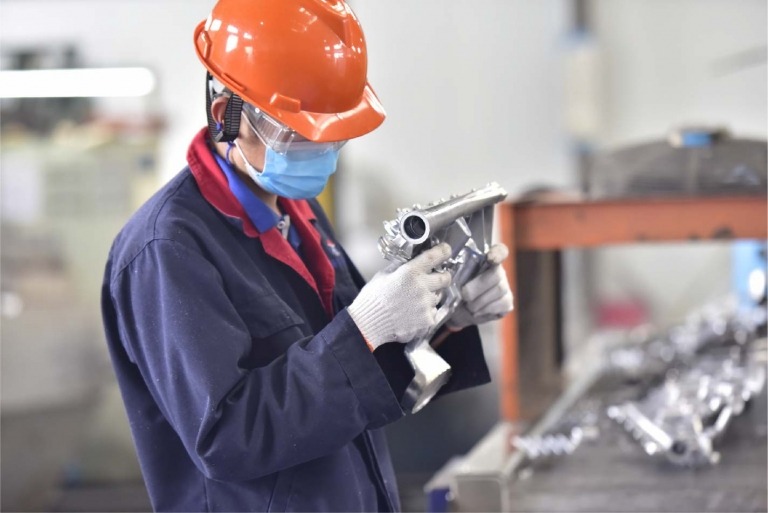
Consistent surface quality is achieved through controlled inspection at every stage, not visual checks alone.
- Our surface finishing quality control process includes:
- Pre-finishing inspection to verify casting quality and surface readiness
- Coating thickness measurement to ensure compliance with design specifications
- Adhesion testing to validate long-term coating durability
- Appearance evaluation against defined cosmetic standards
- Corrosion testing, when required, to confirm environmental performance
All inspections follow clearly defined acceptance criteria aligned with customer drawings, specifications, and international quality standards.
Typical Applications of Die Casting Surface Finishing
Our surface finishing solutions support a wide range of industries and functional requirements, including:
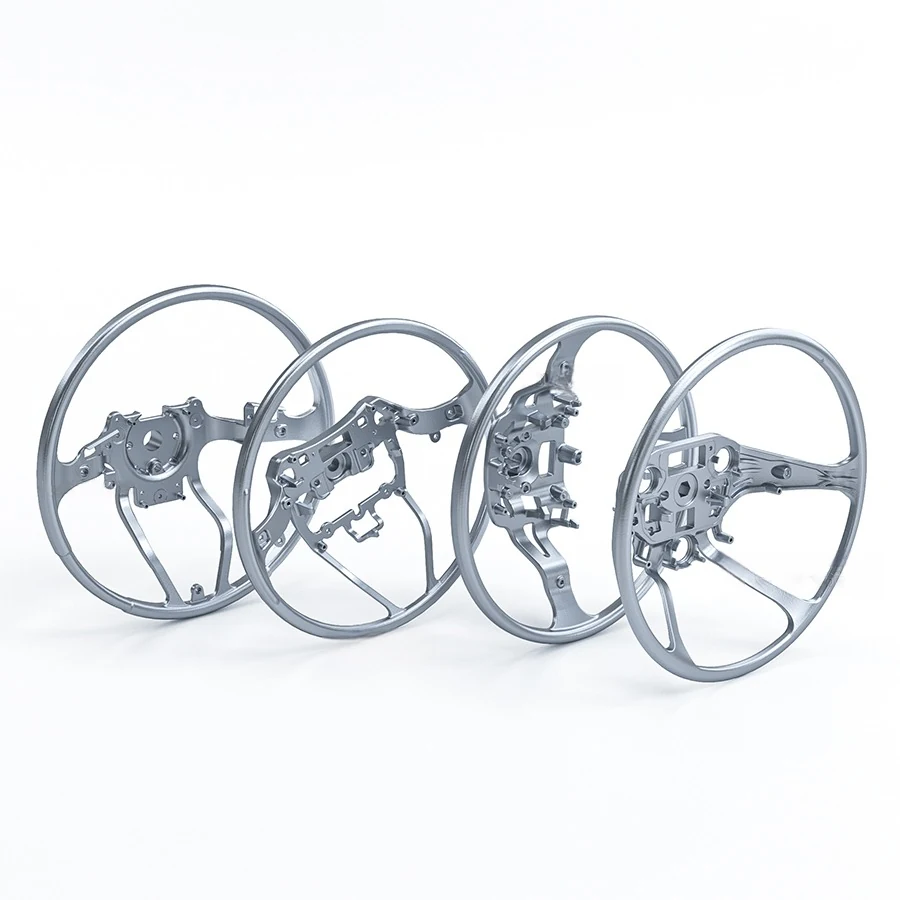
Automotive components
requiring long-term durability, corrosion resistance, and consistent appearance
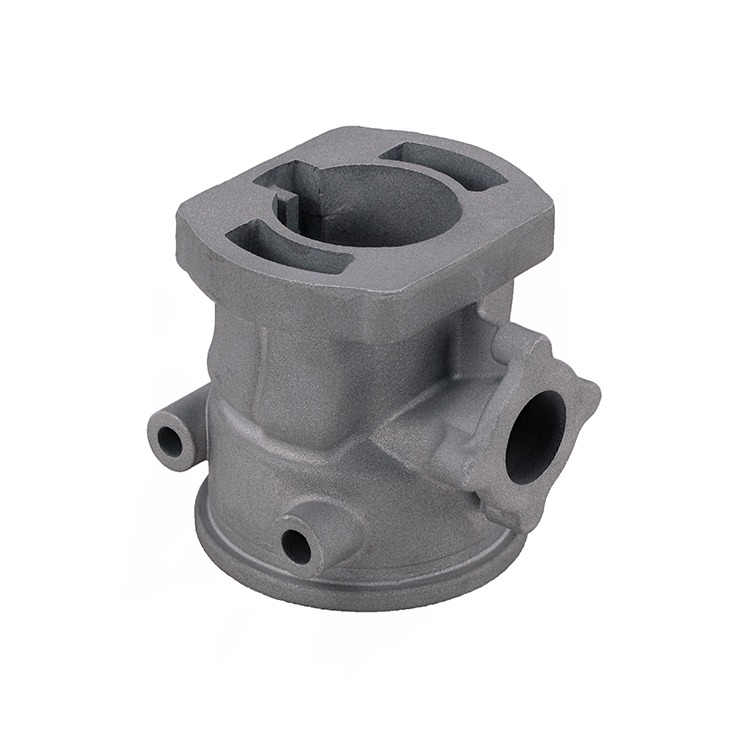
Industrial enclosures and housings
exposed to harsh operating environments, moisture, and chemicals
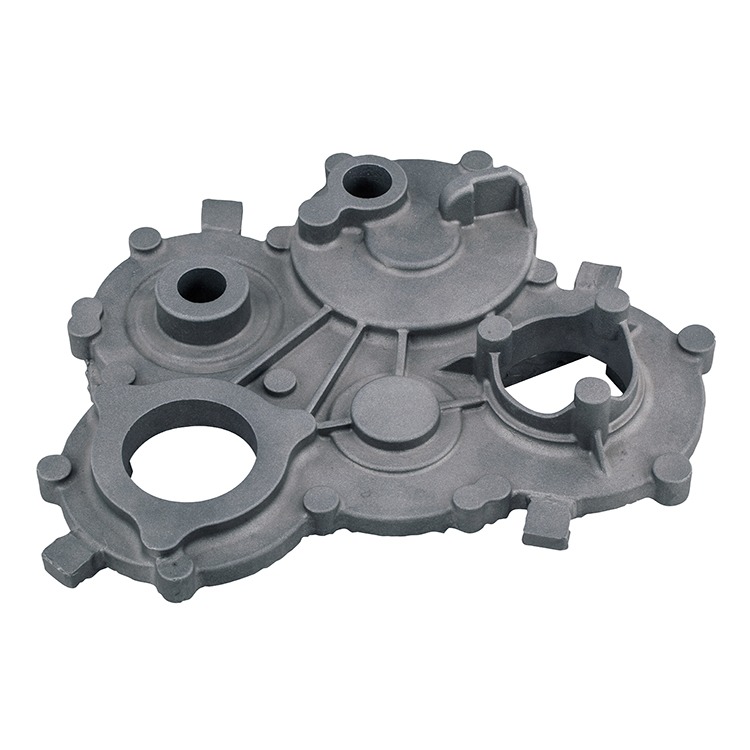
Mechanical assemblies and structural parts
requiring wear protection and dimensional stability
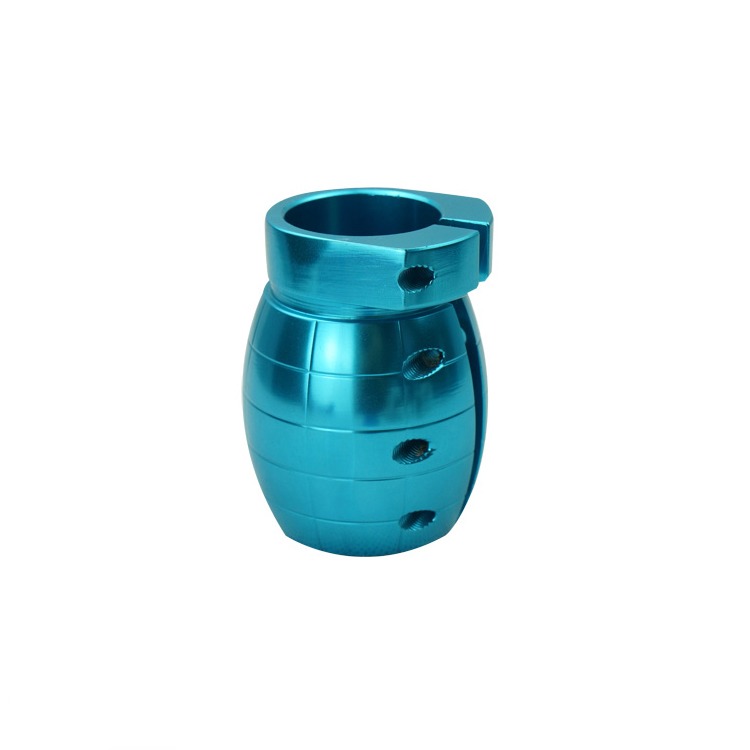
Electronics housings
with cosmetic requirements, EMI shielding considerations, and surface protection
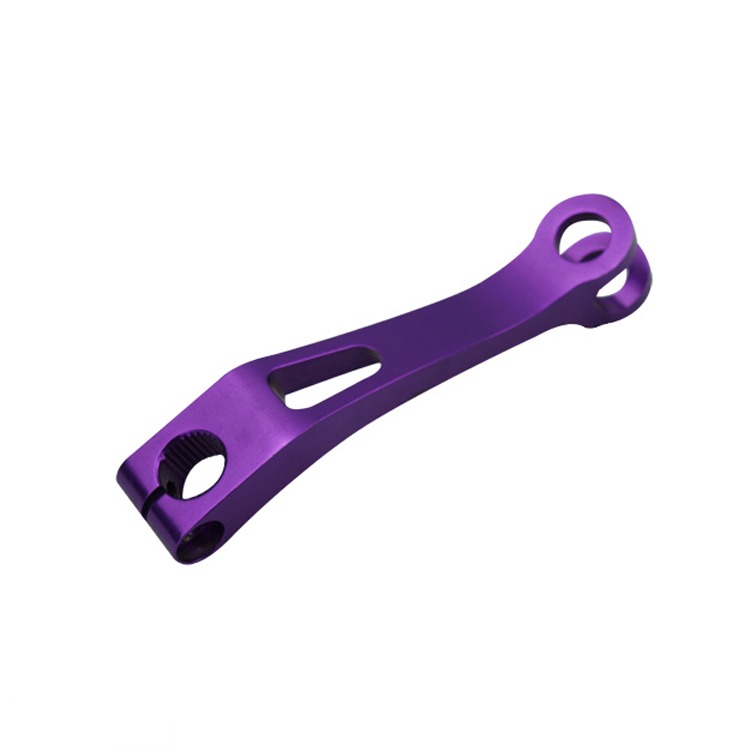
Consumer products
where appearance, color consistency, and tactile quality influence user perception
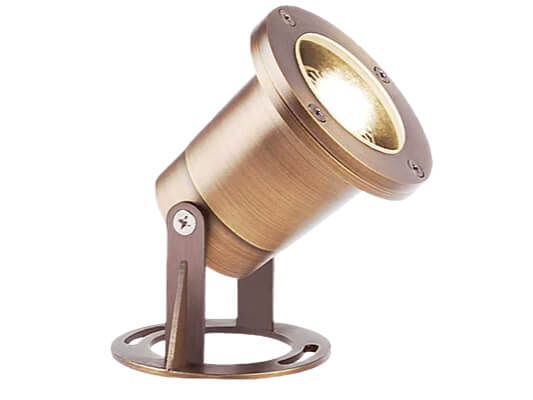
Lighting, HVAC omponents
demanding surface durability, thermal performance, and environmental resistance
Die Casting Surface Finishing FAQs
Can die cast parts be anodized?
Yes, with alloy and porosity evaluation.
Why does plating fail on die cast parts?
Most failures are related to porosity or improper pre-treatment.
What finish is best for outdoor applications?
Powder coating and e-coating are commonly recommended.
Is powder coating better than painting?
It depends on appearance, durability, and cost requirements.
Discuss Your Die Casting Surface Finishing Requirements
Contact our engineering team to discuss your application, material selection, and surface finishing requirements.