Powder Coating Casting Services
As a China-based die casting manufacturer, IEC Mould provide integrated casting powder coating services for aluminum and zinc die cast components. By controlling both the casting process and surface finishing in-house, we deliver stable coating performance, consistent appearance, and predictable production results for industrial-scale applications.
Our powder coating solutions are designed not only for appearance, but for real-world durability, corrosion resistance, and manufacturing reliability.
- No solvent emissions
- Reduced material waste
- Compliant with RoHS and REACH
- Suitable for EU and global markets
What Is Casting Powder Coating?
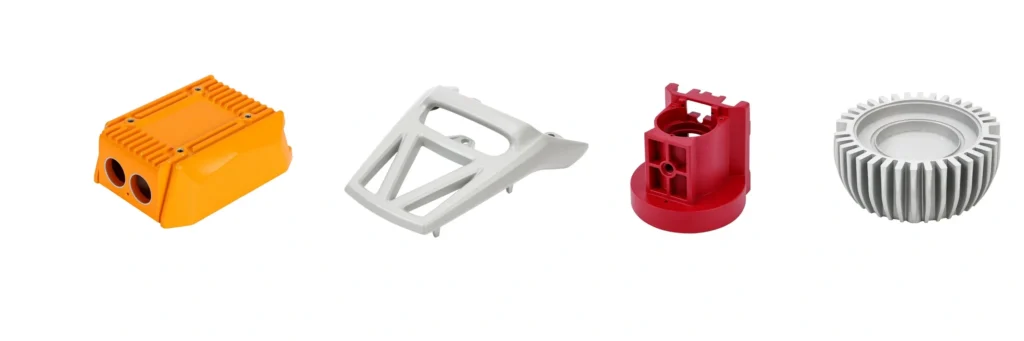
Casting powder coating is a dry surface finishing process in which electrostatically charged powder is applied to die cast parts and cured under controlled heat to form a durable protective layer.
Unlike liquid painting, powder coating does not rely on solvents and creates a thicker, more impact-resistant coating. When applied correctly, it is especially suitable for aluminum and zinc die cast components used in demanding industrial and outdoor environments. However, powder coating performance on die cast parts depends heavily on surface condition, porosity control, and process integration—factors that are often underestimated when coating is outsourced.

Why Powder Coating Is Widely Used for Die Cast Parts
Powder coating is one of the most commonly selected finishes for die casting due to its balanced combination of performance, cost efficiency, and visual consistency.
Key Advantages
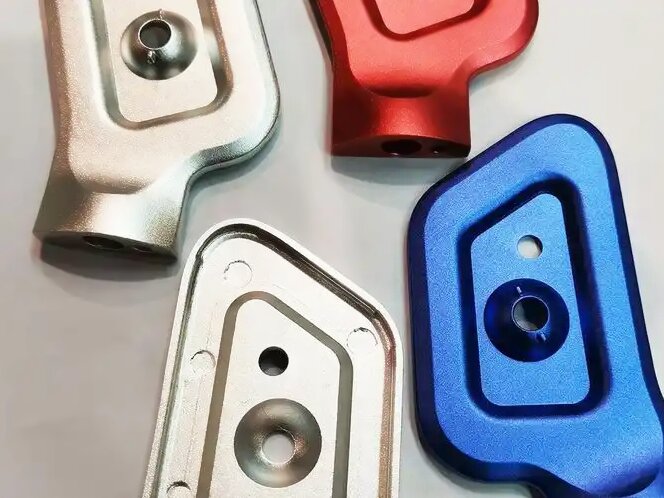
- Strong adhesion to aluminum and zinc die cast substrates
- Excellent corrosion, impact, and abrasion resistance
- Uniform coating on complex external geometries
- Wide range of colors, textures, and gloss levels
- Environmentally friendly process with no VOC emissions
Engineering Reality
Powder coating is not a cosmetic-only process. Its success depends on surface preparation quality and thermal control. Die casting porosity, residual release agents, and improper pretreatment can directly lead to coating defects.
Our Integrated Approach
Because we control die casting and powder coating under one manufacturing system, surface preparation and coating parameters are optimized together—reducing variability and improving long-term reliability.
Powder Coating Die Casting Manufacturing Advantage
Most powder coating problems don’t start in the coating line — they start much earlier, during die casting. When casting and surface finishing are handled by different suppliers, surface defects, porosity, contamination, and inconsistent handling often go unnoticed until coating failure appears. At that point, the root cause is already locked in. As an integrated die casting and powder coating manufacturer, we remove this disconnect entirely.
- Die casting parameters are controlled specifically to reduce surface porosity before coating
- Parts move directly into surface preparation without external transport or damage
- Casting and coating teams share real-time process feedback
- Each batch follows the same controlled workflow from molten metal to final finish
The result is not just a better-looking part, but a reliable, functional coating that performs consistently in real production — not a decorative layer that hides problems underneath.
Powder Coating for Suitable Casting Materials
Powder coating performance is closely tied to the base material. Not every metal behaves the same under curing heat or surface preparation, which is why material selection matters as much as the coating itself. Through years of production, we’ve found that aluminum and zinc die castings provide the most reliable foundation for powder coating when handled correctly.
Aluminum Die Casting
Common alloys: ADC12, A380, AlSi series
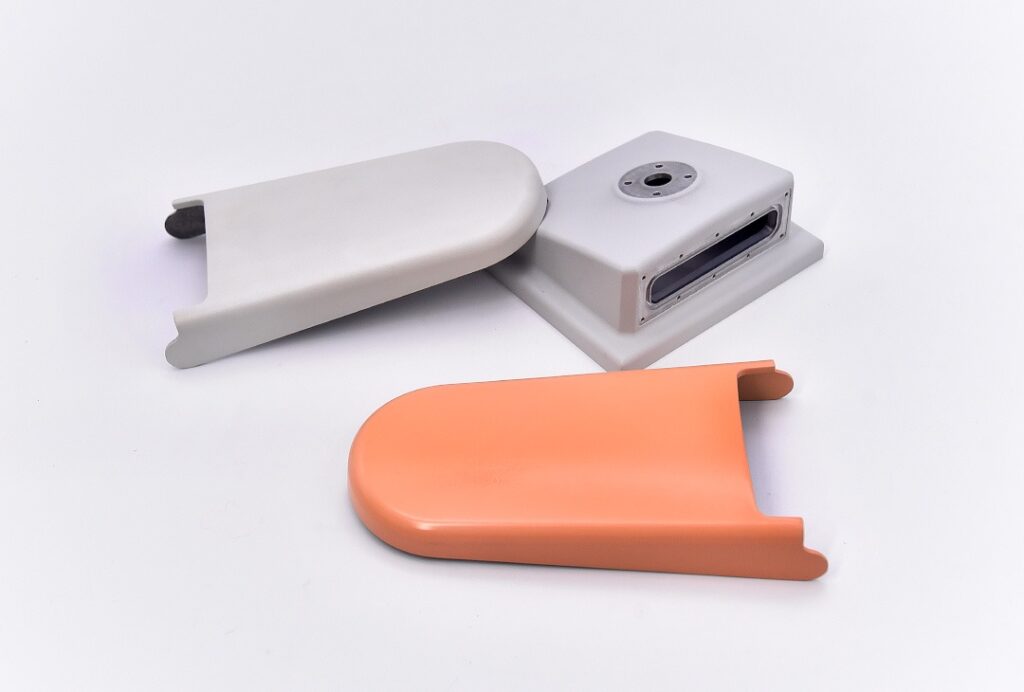
Aluminum die castings are the most widely powder coated components in industrial production. These alloys offer a balanced combination of thermal stability, corrosion resistance, and coating compatibility.
Why aluminum works well for powder coating:
- Stable behavior during curing temperatures
- Strong adhesion after proper surface preparation
- Suitable for both functional and cosmetic applications
Our engineering control:
We adjust casting parameters and pretreatment processes based on alloy characteristics to ensure consistent coating adhesion and appearance across production batches.
Zinc Die Casting
Common alloys: Zamak 3, Zamak 5
Zinc die cast parts are frequently powder coated when enhanced wear resistance and long-lasting appearance are required, particularly for indoor or semi-outdoor environments.
Why zinc benefits from powder coating:
- Improved surface durability compared to bare zinc
- Enhanced scratch and abrasion resistance
- Consistent cosmetic finish for visible components
Engineering consideration:
Zinc alloys are more sensitive to temperature and surface condition than aluminum. Our approach:
Curing profiles and surface preparation are carefully optimized to protect dimensional stability while achieving reliable coating performance.
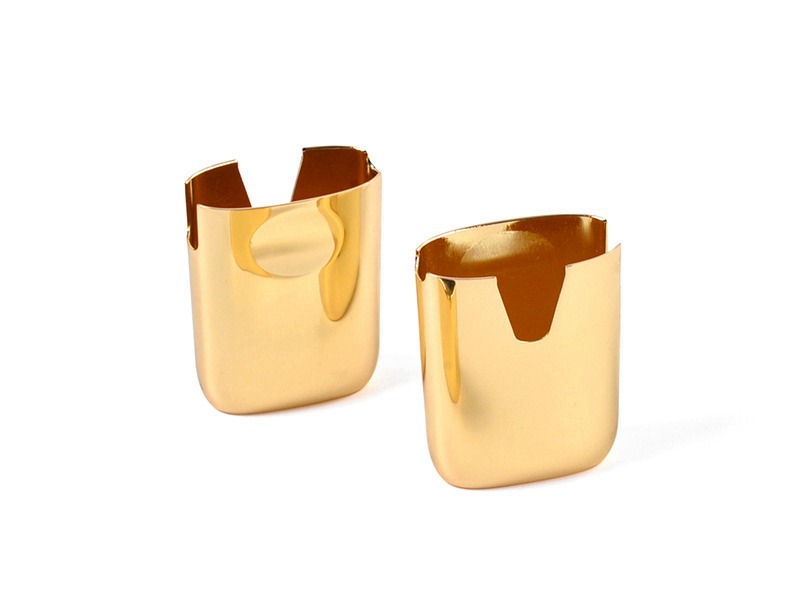
How Our Powder Coating Casting Process Works — Step by Step
Great powder coating does not happen by accident. It is the result of a disciplined, step-by-step process where every stage prepares the part for the next. Instead of focusing only on how the finished surface looks, we focus on how the coating is built from the inside out.
1. Degreasing & Cleaning — Starting with a Clean Foundation
Before any coating begins, all oils, release agents, and surface contaminants are completely removed. This step ensures the coating bonds to metal, not to invisible residue.
2. Surface Preparation — Creating the Right Surface to Hold the Coating
Through shot blasting or controlled mechanical preparation, we create a uniform surface profile that allows powder coating to anchor securely, improving long-term adhesion and durability.
3. Chemical Pretreatment — Protecting What You Can’t See
A conversion coating is applied to enhance corrosion resistance and strengthen the bond between the metal and the powder coating. This hidden layer plays a critical role in long-term performance.
4. Powder Application — Building an Even, Consistent Layer
Using controlled electrostatic spraying, powder is applied evenly across the part, ensuring consistent thickness and reliable coverage on visible surfaces.
5. Curing & Thermal Control — Locking in Performance
The coated parts are cured under precisely controlled temperatures. This step solidifies the coating while minimizing gas release, distortion, or stress on the casting.
6. Final Inspection & Packaging — Verifying Before Shipping
Each batch undergoes visual inspection, coating thickness measurement, and adhesion checks to confirm the finish meets both functional and appearance requirements before packaging.
Surface Preparation — The Hidden Key to Powder Coating Casting Reliability
In powder coating, what you see on the surface is only the final result. What truly determines coating reliability happens before the powder is ever applied. For die cast parts, surface preparation is the most critical step in achieving long-lasting powder coating performance.
Common Industry Challenges
Die cast components present unique challenges that can compromise coating quality if left unaddressed:
- Micro-porosity within the casting can release trapped gas during curing, leading to pinholes
- Residual release agents and oils can weaken coating adhesion
- Inconsistent surface roughness can cause uneven coating thickness and appearance
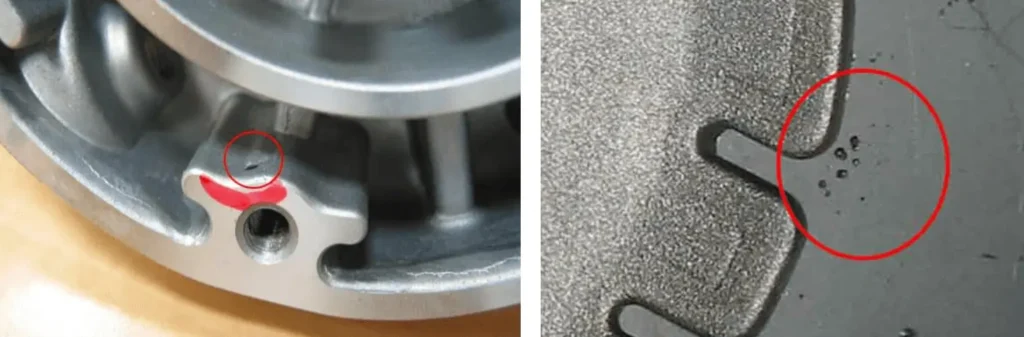
These issues are often invisible until defects appear — usually after coating or in service.
Our Control Measures
- Casting-specific blasting parameters
- Porosity-aware pretreatment processes
- Optional pre-heating for gas stabilization when required
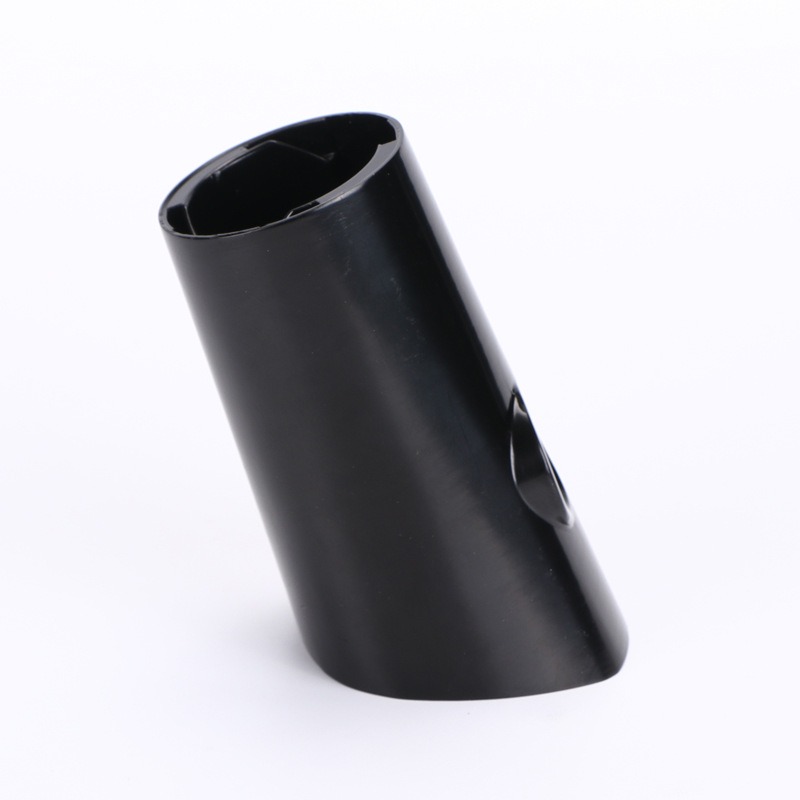
This preparation ensures powder coating performs as a durable protective layer, not a temporary surface film.
Powder Coating Types for Die Casting Parts We Offer
Epoxy Powder Coatings
– Exceptional chemical and corrosion resistance for demanding industrial applications.
Polyester Powder Coatings
– Outstanding outdoor durability with superior UV and weather resistance, perfect for exposed environments.
Acrylic Powder Coatings
– High-gloss, vibrant colors with excellent clarity and aesthetic appeal, ideal for decorative and consumer-facing parts.
Polyurethane Powder Coatings
– Flexible yet tough, providing excellent impact and abrasion protection with a smooth, premium finish.
Vibrant Powder Coating Colors, Textures & Finishes for Die Cast Components
As a direct die casting manufacturer, we provide in-house powder coating services to ensure all die casting components achieve both exceptional appearance and reliable performance.
- Color Systems: Full range of RAL and Pantone options, precisely matched to your brand or design requirements.
- Finishes: Glossy, matte, or satin – optimized for both aesthetics and functional durability.
- Textures & Effects: From smooth, cosmetic-grade surfaces to fine sand or wrinkle patterns, tailored for industrial or decorative applications.
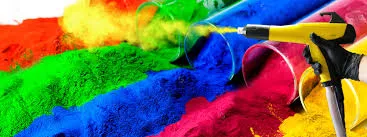
We distinguish clearly between cosmetic-grade beauty and industrial-functional performance, so every coated component meets your exact expectations.
Key Technical Specifications & Performance:
- Coating Thickness: 60–120 μm for optimal protection
- Adhesion Testing: Cross-cut method ensures a strong, lasting bond
- Corrosion Resistance: Salt spray testing based on application needs
- Environmental Compliance: Fully RoHS and REACH certified
By handling coating in-house, we guarantee that every die cast parts look great and perform reliably, without relying on third-party services or compromising quality.
Design Guidelines for Powder Coated Die Cast Parts
Powder coating delivers the best results when it is considered early in the die casting design stage, not added as an afterthought. Because die cast parts differ from machined or fabricated components in terms of porosity, draft angles, and surface characteristics, coating performance is directly influenced by casting-specific design decisions.
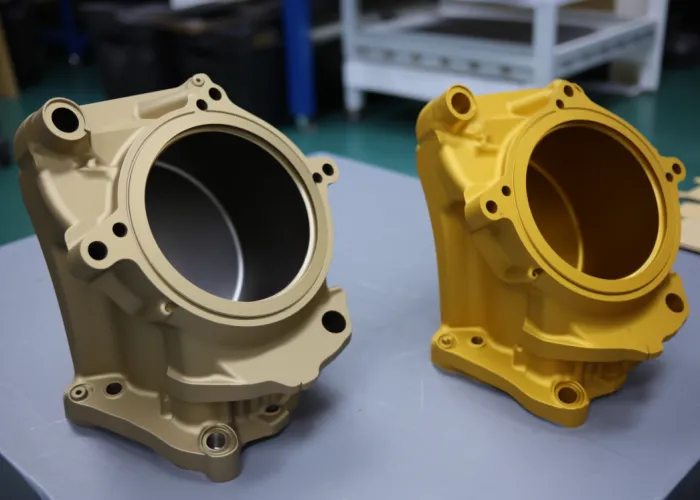
To achieve consistent powder coating quality on die cast components, we recommend:
- Avoiding sharp edges and corners common in die casting, as these areas tend to receive thinner coating coverage and are more prone to early wear
- Clearly defining non-coated functional areas on die cast parts, such as sealing surfaces or precision interfaces
- Allowing tolerance for coating thickness on mating features, particularly where die cast parts assemble with machined or plastic components
These practices help ensure powder coating enhances both the functional and cosmetic performance of die cast products.
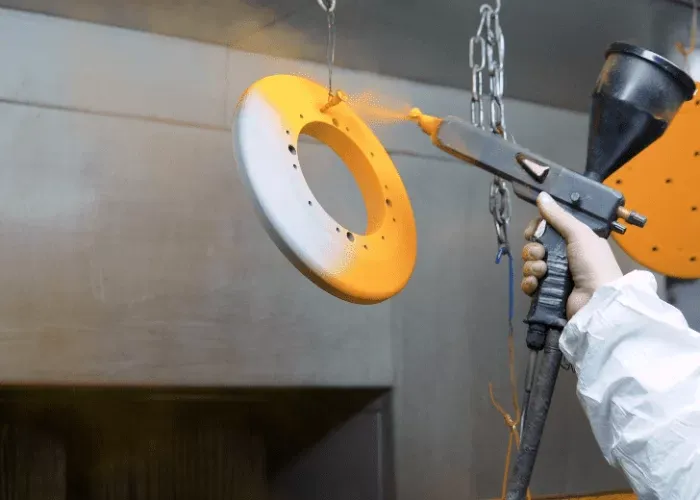
Certain features typical in die cast designs require additional consideration:
Precision bearing seats formed or finished on die cast parts
Threaded features that require tight assembly tolerances
Deep blind holes or recessed features common in complex die cast geometries, where electrostatic powder access is limited
In these cases, masking, post-machining, or alternative surface treatments may be more appropriate.

We provide DFM-driven feedback specifically for die casting projects during the quotation stage. This includes evaluating part geometry, tolerance requirements, and surface finishing compatibility.
Our engineers help determine whether powder coating, alternative finishing, or a hybrid solution is the most technically reliable option for your die cast product — before production begins.
Powder Coating for Typical Applications of Casting parts
Automotive Die Cast Brackets and Supports
Powder-coated die cast brackets and supports are used in vehicles to resist corrosion, vibration, and long-term mechanical stress while maintaining consistent surface quality.
Automotive Housings and Covers
Die cast housings and covers for automotive systems benefit from powder coating to protect against heat, moisture, and road exposure without compromising part geometry.
Industrial Equipment Enclosures
Aluminum die cast enclosures used in industrial machinery rely on powder coating for impact resistance, corrosion protection, and long service life in harsh operating conditions.
Electrical and Electronics Die Cast Casings
Powder-coated die cast casings protect internal electrical and electronic components while providing a clean, professional appearance for control panels and equipment housings.
Outdoor Die Cast Structural Parts and Brackets
Die cast structural parts used outdoors, such as mounting brackets and frames, are powder coated to withstand weather, moisture, and mechanical wear.
Consumer and Commercial Die Cast Hardware
Powder-coated die cast hardware used in consumer and commercial products combines surface durability with stable appearance for parts that are frequently handled or visible.
Our 6 Quality Controls for Powder-Coated Die Cast Parts
Powder coating quality for die cast products is ensured through systematic inspection and process control, focusing on functional performance rather than cosmetic appearance alone.
- Incoming Die Cast Surface Condition Inspection
Each batch of die cast parts is checked for surface cleanliness, porosity risk, and preparation suitability before entering the coating process. - Surface Preparation Verification
Blasting and pretreatment processes are monitored to ensure consistent surface roughness and adhesion readiness for powder coating. - In-Process Coating Thickness Control
Coating thickness is measured during production to maintain uniform film build and prevent assembly or tolerance issues. - Adhesion Performance Testing
Adhesion tests are conducted to confirm proper bonding between the powder coating and die cast substrate. - Appearance Evaluation Based on Application
Visual inspection standards are defined according to functional use, not showroom-level cosmetic expectations. - Batch Traceability and Consistency Management
Production batches are tracked to ensure repeatable coating quality from sampling through mass production.
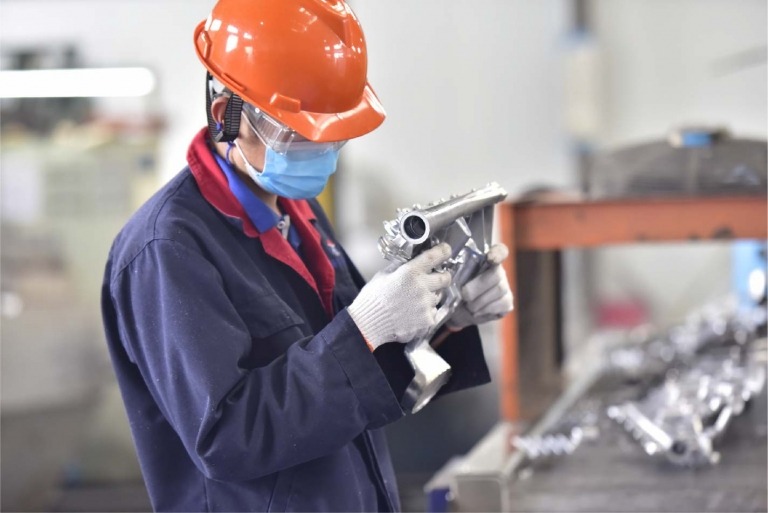
Why Powder Coating Fails on Die Cast Parts — How We Control It
Most powder coating defects do not start in the coating line — they start in the die casting itself. Because die cast parts contain micro-porosity and complex geometries, surface finishing requires more than standard coating procedures. As an integrated die casting and powder coating manufacturer, we control these risks from casting through curing, not after defects appear. The following table explains common powder coating issues on die cast products and how we prevent them at the process level.
| What Customers Usually See | Why This Happens on Die Cast Products | How We Prevent It in Production |
|---|---|---|
| Pinholes (Tiny holes or bubbles on surface) | Gas trapped inside die castings escapes during oven curing | Controlled die casting parameters, porosity-aware surface preparation, and optional pre-heating to release gas before coating |
| Orange Peel (Uneven, bumpy texture) | Powder does not flow smoothly due to incorrect spray or curing balance | Fine-tuned powder application settings and curing profiles based on die cast part size and geometry |
| Poor Adhesion (Coating peels or chips easily) | Oil, release agents, or contamination remain on the casting surface | Casting-specific degreasing and chemical pretreatment to ensure strong coating bonding |
| Uneven Thickness (Too thick in some areas, thin in others) | Complex die cast geometry affects electrostatic powder attraction | Design review, optimized spray angles, and selective masking for consistent coverage |
| Edge Thinning (Weak coating on sharp edges) | Sharp die cast edges attract less powder during spraying | Die casting design guidance, edge radius recommendations, and targeted application control |
| Color Variation Between Batches | Inconsistent surface condition or curing between production lots | Integrated casting + coating control, batch traceability, and standardized process parameters |
Powder Coating VS Anodizing and Liquid Painting
Powder coating is the preferred surface finish for die cast parts due to its durability, coverage, and adaptability to complex geometries. While other finishes like anodizing or liquid painting exist, they often face challenges on die cast products, such as sensitivity to porosity or thinner coverage. The table below compares these finishes, highlighting why powder coating is usually the most reliable choice.
| Feature / Consideration | Powder Coating (Recommended for Die Cast) | Anodizing | Liquid Painting |
|---|---|---|---|
| Compatibility with Die Cast Parts | Excellent for aluminum, zinc, magnesium | Mainly aluminum; sensitive to porosity | Acceptable on most die cast materials |
| Coating Thickness | Thick, protective layer | Thin oxide layer | Thin film |
| Edge & Corner Coverage | Strong | Weak | Moderate |
| Durability (Corrosion / Impact) | High | High hardness but brittle | Moderate |
| Cosmetic Consistency | Wide color range, uniform | Limited color options | Wide color range but thinner coverage |
| Tolerance to Die Casting Porosity | High | Very low | Medium |
| Geometry Compatibility | Works well on complex parts | Difficult on complex shapes | Moderate |
| Production Volume Suitability | Medium to high volume | Low to medium | Low volume or prototypes |
Key Takeaway
For most die cast parts requiring durability, functional performance, and cosmetic quality, powder coating provides the most predictable and reliable results.
Anodizing may suit selective aluminum parts, while liquid painting is better for low-volume or custom prototypes.
Why Our Customer Choose IEC Mould for their Powder Coating Casting Parts
At IEC Mould, we deliver reliable, high-quality powder-coated die cast components for global OEM programs.
- Cost-efficient production at scale: Our integrated manufacturing setup ensures competitive pricing without compromising quality.
- Mature die casting and finishing supply chain: From tooling to coating, we manage every step in-house for consistent results.
- In-house process control: Every die cast part is monitored through each stage — casting, surface prep, and coating — to ensure functional performance and cosmetic quality.
- Proven global experience: We have successfully supported numerous OEM programs worldwide, meeting strict specifications and delivery timelines.